Why Dangerous Trees Need Immediate Attention
Dangerous trees can deteriorate quickly, particularly during strong winds, heavy rain or further ground movement. A cracked trunk or weakened root system may remain standing for a short period before failing without much warning. Falling branches can damage roofs, vehicles, fences and other structures.
A complete tree failure can create much more serious consequences where the tree stands beside a house, road or busy outdoor area. Immediate attention does not always mean complete removal. In some situations, a professional may remove a dangerous limb, reduce part of the crown or temporarily restrict access.
People should avoid standing beneath, climbing or cutting a visibly unstable tree themselves. Prompt professional assessment allows the risk to be understood before conditions become worse. It also gives the tree team more opportunity to plan controlled removal rather than responding after the tree or a large branch has already fallen.
Signs a Tree Has Become Unsafe
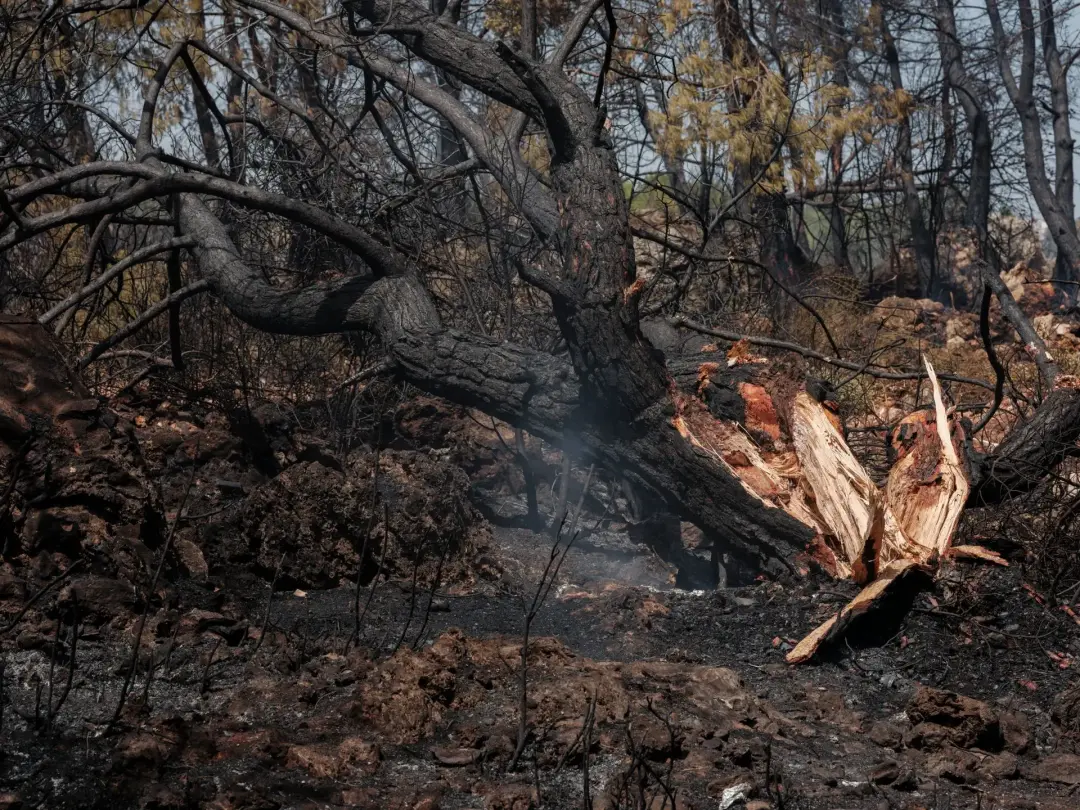
There are several warning signs that may indicate a tree has become unsafe. These include a sudden lean, major cracks in the trunk, lifted roots, broken branches, visible decay and movement around the base. Changes that appear after storms deserve particular attention. A tree that stood upright before strong winds but now leans noticeably may have experienced root movement. Fresh cracks in the soil can also suggest that the root plate is beginning to lift. At crown level, dead branches, hanging limbs or large sections with no leaves can indicate structural or health problems.
Fungal growth, cavities and soft timber may be associated with decay, although not every hollow or fungus means immediate removal is required.
The location of the tree also affects the level of concern. A damaged tree beside a house, road, pavement or car park presents greater consequences if it fails. Do not approach closely simply to inspect a dangerous-looking tree.
Some defects can cause sudden movement. A professional tree surgeon can assess how the different signs relate to one another. Where several structural problems are present at the same time, emergency removal or controlled dismantling may be necessary.
Trees That Have Fallen After Storm Damage
Trees that fall after storms may still present serious hazards even when the trunk is already on the ground. Branches can remain under tension, roots may still move and sections of the tree can shift when cutting begins. A fallen tree may need emergency removal when it blocks a road, driveway, building entrance or other important access point.
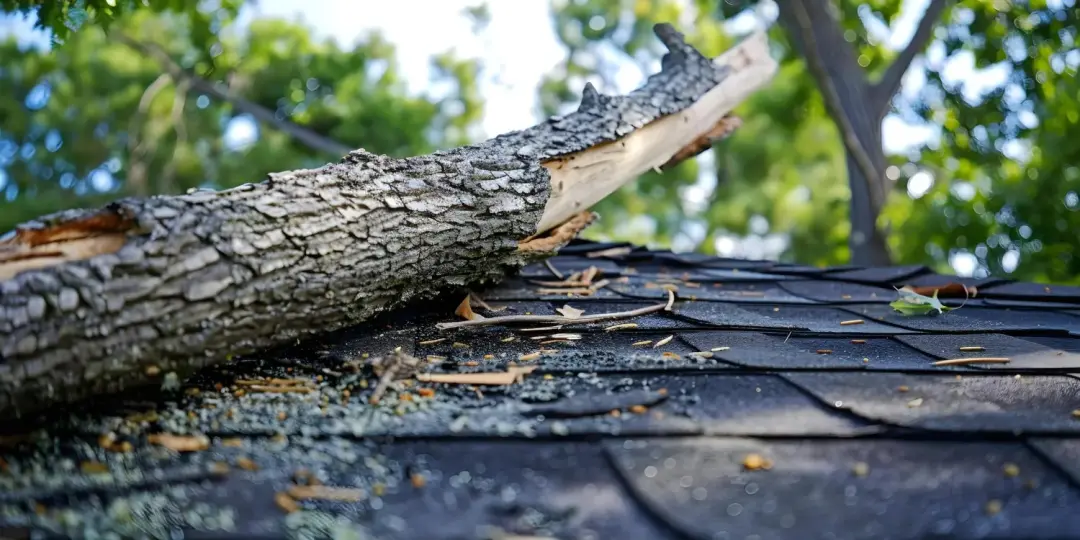
Trees resting on roofs, fences, vehicles or neighbouring trees require particular care because those objects may be supporting part of the weight. Professional teams assess how the tree is lying before making cuts. Chainsaws, winches, rigging equipment or cranes may be required.
People should avoid climbing over or cutting storm-fallen trees themselves, particularly where large limbs are trapped. Controlled removal helps reduce the chance of the trunk rolling, branches springing free or the root plate moving unexpectedly while the tree is being cleared.
Trees Leaning Towards Buildings or Structures
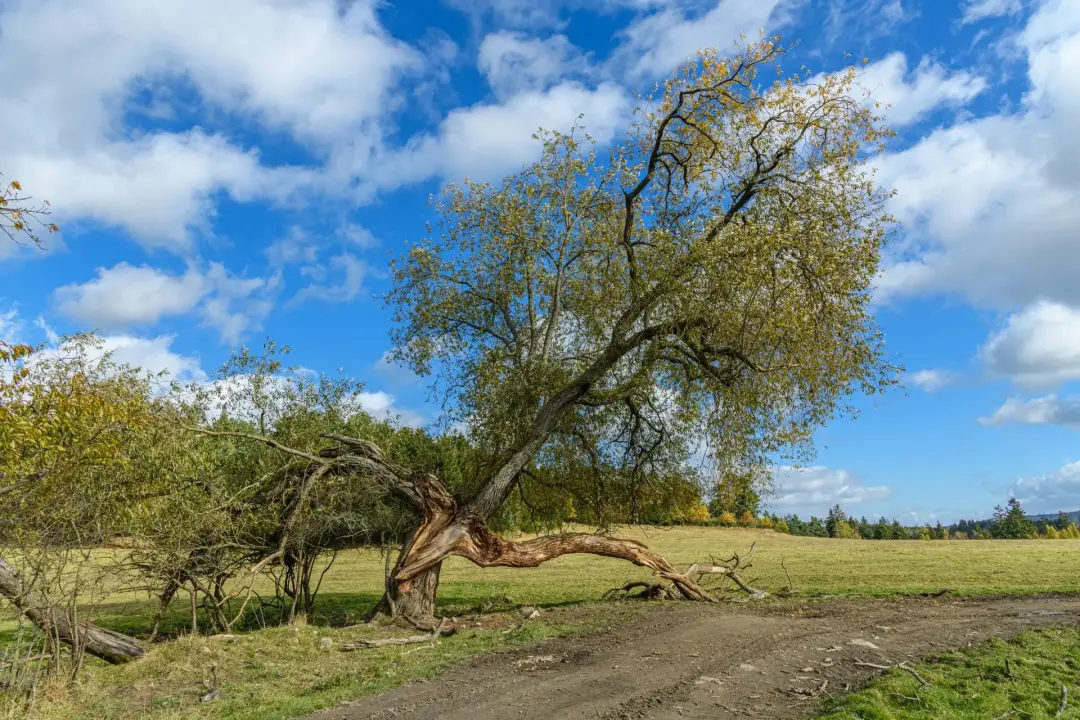
A tree leaning towards a building or other structure may require urgent attention when the lean is new, increasing or combined with root movement. Some trees naturally grow at an angle and remain stable for many years, so the change in position is particularly important.
Look from a safe distance for lifted soil, exposed roots or cracks around the base. Fresh movement in the ground can indicate that the root plate has started to shift. The potential fall area should also be considered. Roofs, conservatories, garages, extensions, fences and neighbouring properties may all be affected if the tree fails.
Do not try to pull the tree away from the building using ropes or vehicles. Applying extra force can make the situation more unstable.
A professional tree surgeon can assess whether pruning could reduce loading or whether complete removal is needed. Trees close to structures often require controlled dismantling rather than straightforward felling.
Branches and trunk sections may need to be lowered using ropes or lifted with a crane. Prompt assessment gives the removal team more options for protecting the building and surrounding area before the tree moves further.
Large Cracks or Splits in the Tree Trunk
Large cracks or splits in the trunk can indicate serious structural weakness. They may run vertically along the trunk, develop between two main stems or appear around an older damaged area. The risk increases when a crack is deep, recently formed or visibly opens when the tree moves in the wind. Split forks can be particularly concerning because each stem may support a large part of the crown. Failure of the union can cause one or both sections to fall.
Do not attempt to tie a split trunk together with household ropes or straps. Improvised supports may not withstand the forces involved. A tree surgeon can assess the depth of the split, the amount of sound wood remaining and whether decay is present. Where the crack significantly reduces the strength of the trunk, emergency dismantling may be recommended to prevent sudden structural failure.
Broken or Hanging Branches
Broken or hanging branches can fall without warning, especially after storms, strong winds or heavy loading. A limb may remain partly attached by torn wood or become trapped among neighbouring branches within the crown. These branches can be difficult to spot from the ground. Signs include fresh pale wood, torn bark, unusual angles or sections resting across other limbs. Do not stand underneath a hanging branch or attempt to pull it down with a rope. The remaining attachment may fail suddenly, and smaller pieces can fall first.
The area beneath should be kept clear of people, pets and vehicles until the branch has been removed. Professional tree surgeons may use climbing equipment, rigging systems or mobile elevated work platforms to reach damaged branches.
Larger limbs can be cut into smaller sections and lowered in a controlled way. The rest of the tree should also be inspected because one broken branch may be part of wider storm damage.
Where several large limbs have failed, the remaining crown may no longer be balanced or structurally reliable. Prompt removal of hanging branches reduces the chance of unexpected falls and can help determine whether the rest of the tree can safely remain in place.
Trees with Severe Root Damage
Severe root damage can make an otherwise healthy-looking tree unstable. Structural roots help anchor the tree, and damage close to the trunk can significantly reduce its ability to resist wind. Roots may be cut during construction, damaged by vehicles or exposed by erosion and flooding.
Warning signs include lifted soil, torn roots, fresh cracks around the base and a sudden change in the tree's angle. Not every exposed root indicates danger, but large damaged roots should be assessed professionally. Avoid cutting additional roots or digging around the base without advice. This can further reduce stability.
Where significant root support has been lost, crown reduction or complete removal may be necessary. If the tree stands close to buildings, roads or regularly used areas, serious root damage may justify urgent action even before the tree develops an obvious lean.
Signs of Tree Rot and Decay
Rot and decay can weaken important structural parts of a tree over time. Signs may include soft timber, cavities, missing bark, crumbling wood, fungal growth or hollow areas in the trunk. Some mature trees can remain stable with limited cavities, so visible decay does not automatically mean emergency removal is required. The location and extent of the damage are more important. Decay around the base or beneath a major fork can have a greater effect on structural strength than a small cavity higher in the tree. Repeated fungal growth around roots or the lower trunk may also indicate internal deterioration.
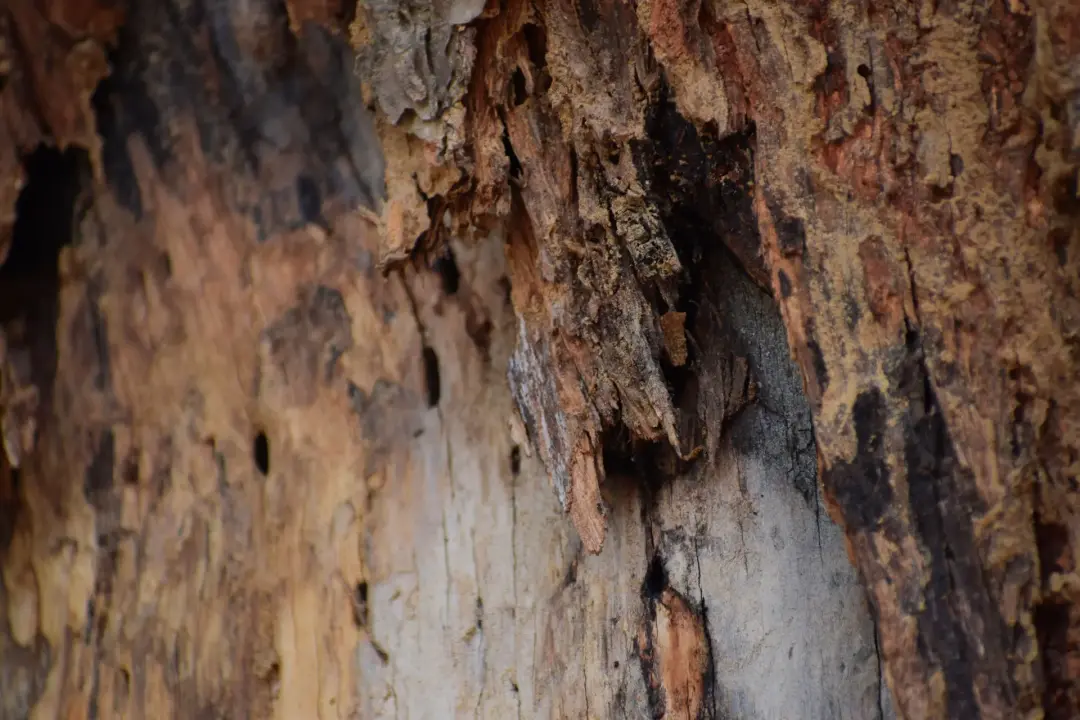
Do not drill or cut into the tree yourself to investigate. This can damage healthy tissue and may provide little useful information. A professional arborist can assess the remaining sound wood, crown weight and condition of the roots.
Where decay has significantly reduced the strength of the trunk or root system, the tree may no longer be able to support itself safely. The urgency also depends on what would be affected if the tree failed.
A heavily decayed tree beside a house, school, road or busy footpath will usually require more immediate attention than one standing in an isolated area.
Trees Damaged by Strong Winds
Strong winds can damage branches, trunks and root systems even when the tree remains standing. Common signs include broken limbs, fresh cracks, twisted stems and sudden leaning. Wind can also move the root plate within the soil. This may create lifted ground or cracks around the base.
Some damage is difficult to see from below because broken branches can remain caught high in the crown. Inspect the tree only from a safe distance after severe weather.
Do not stand underneath loose or hanging sections. A professional tree surgeon can assess the whole structure rather than focusing only on the most obvious damage. Emergency work may involve removing one unsafe limb, reducing the crown or dismantling the entire tree. Prompt attention after strong winds can prevent damaged sections from failing later during calmer weather or the next period of poor conditions.
Trees Affected by Lightning Strikes
Lightning strikes can cause serious damage to a tree by rapidly heating moisture within the wood. Bark may split or be blown away, branches can break and long cracks may appear down the trunk. Some damage is immediately obvious, while other problems develop over the following days or weeks. Internal tissue and roots can also be affected even when the tree remains standing. Keep away from large broken branches and split trunk sections after a lightning strike. A professional tree specialist can assess how much structural wood remains and whether the tree is stable.
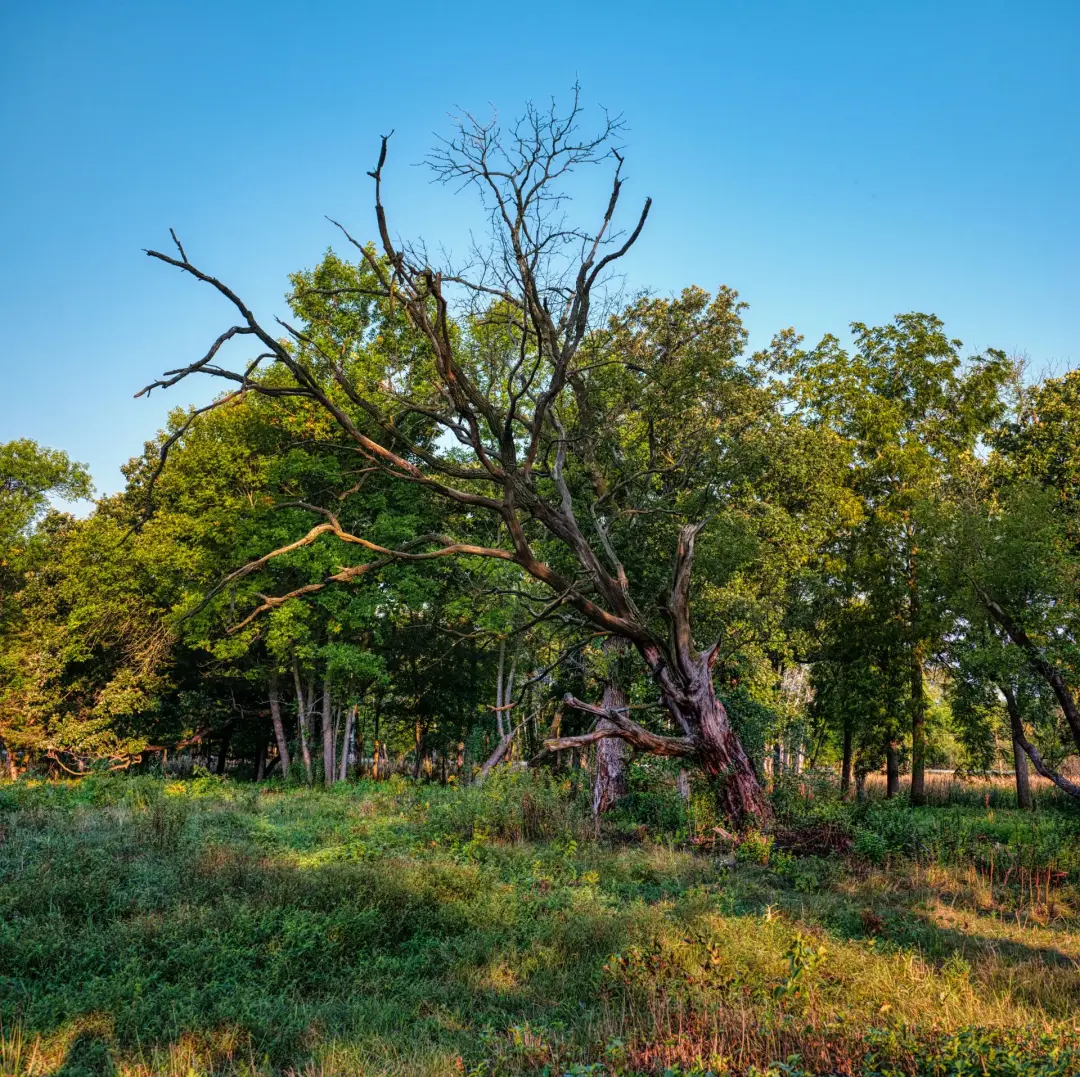
Some lightning-damaged trees can recover with suitable management. Others suffer extensive splitting or crown damage that makes retention unsafe.
The location of the tree affects how quickly work needs to happen. A damaged tree beside buildings, roads or public areas presents greater consequences if weakened sections fail. Where the trunk has split severely or major limbs are unstable, emergency dismantling may be required.
The tree should also be checked for nearby power lines or electrical equipment before work begins. Lightning damage does not automatically mean complete removal, but significant structural injury should never be ignored.
Trees Blocking Roads, Driveways or Access Points
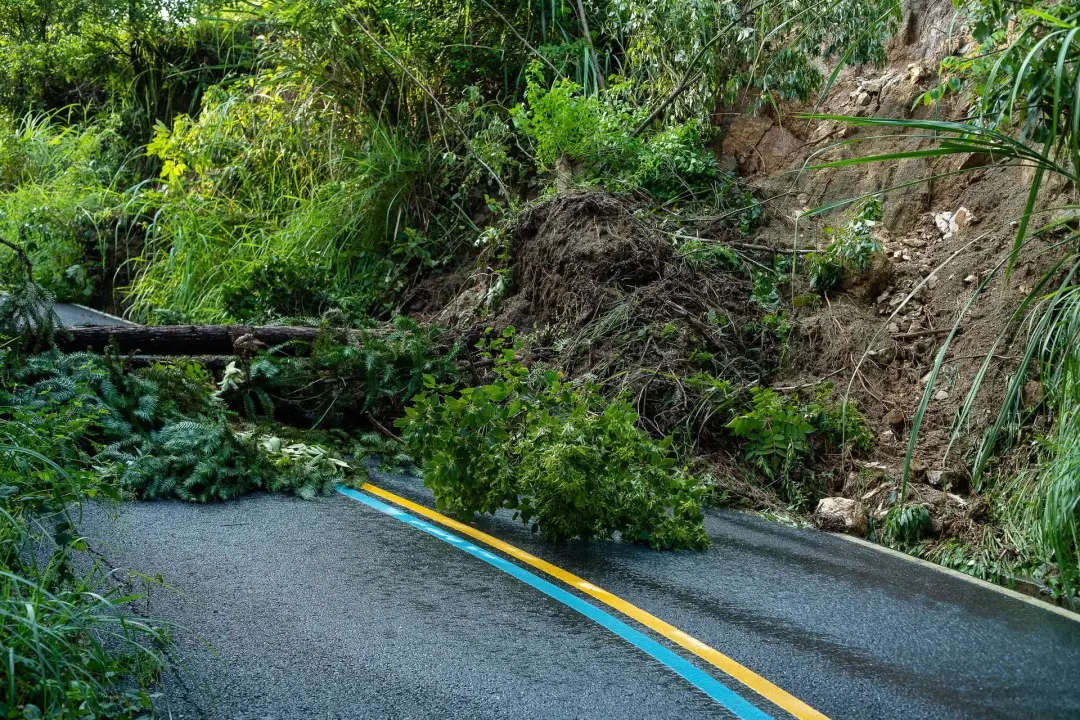
Trees blocking roads, driveways or entrances may require emergency removal because they prevent normal access and can create additional hazards. A fallen tree may stop residents, delivery vehicles or emergency services from reaching a property. The tree should be assessed before cutting because the trunk and branches may still be under tension.
Winches, chainsaws, lifting equipment or cranes may be required depending on the size and position of the tree. Where a public road is affected, traffic management and coordination with the relevant authority may be necessary.
People should avoid climbing over fallen timber or attempting to move large sections with vehicles. Professional clearance can sometimes reopen the route first before the remainder of the tree is removed. Controlled removal reduces the risk of timber rolling or springing unexpectedly while access is being restored.
Trees Near Power Lines or Utility Equipment
Trees near power lines or utility equipment require specialist attention because the risks extend beyond the tree itself. Branches or trunks can come into contact with live electrical conductors, particularly during storms or sudden failure. Do not touch a fallen tree, branch, fence or other object that may be in contact with electrical equipment. Keep people well away and contact the relevant electricity network operator or emergency services where necessary.
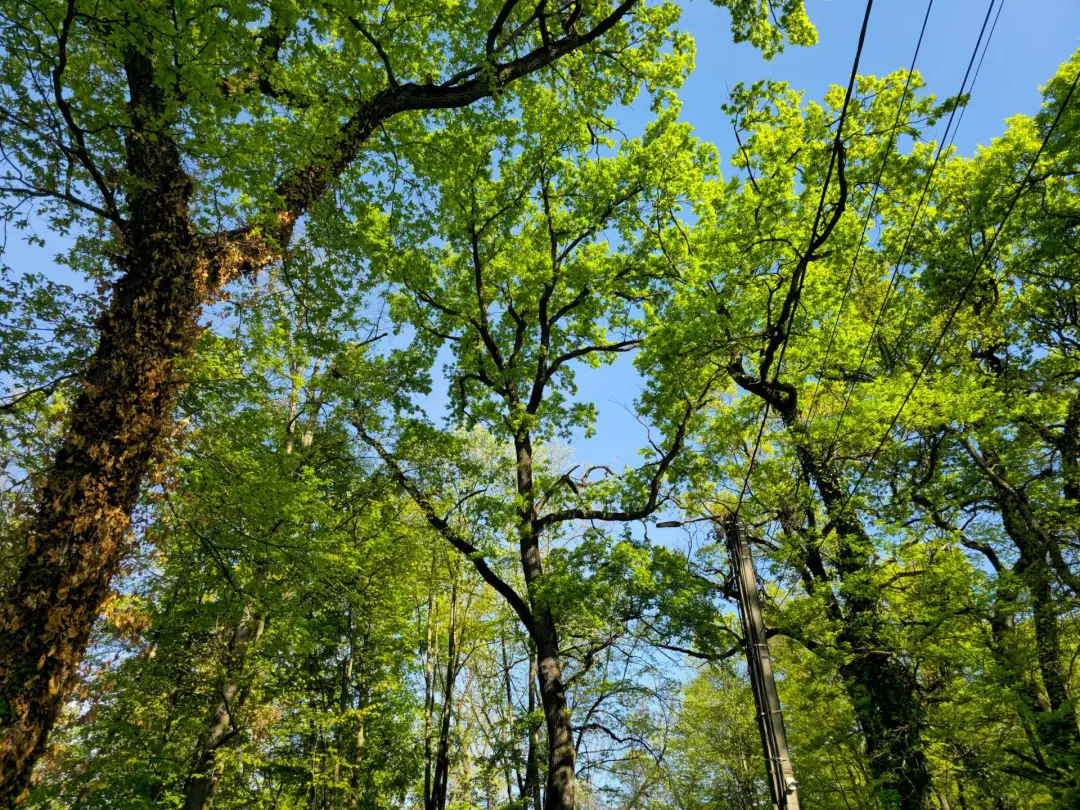
Tree removal should not begin until the electrical risk has been assessed and suitable controls are in place. Cranes, mobile elevated work platforms and long cutting tools also need careful positioning around overhead lines. In some cases, the electricity supply may need to be isolated before tree work can continue.
Once the electrical hazard has been controlled, trained tree professionals can plan a suitable removal method. The tree may need to be dismantled in small sections so branches do not swing towards cables or equipment. Never attempt to pull a tree away from power lines using ropes, vehicles or household tools. Electrical hazards can make an already unstable tree significantly more dangerous.
Trees That Pose a Risk to People and Property
A tree may require emergency removal when its condition creates a clear risk to people or nearby property. This can include unstable trunks, hanging branches, severe root movement or extensive decay.
The level of concern increases in areas where people regularly walk, park or work. A damaged tree beside a house, school, road, car park or commercial entrance may require faster action than a similar tree in an isolated location. The likely fall area should be considered when assessing the risk.
Access should be restricted where possible until a professional inspection takes place. A tree surgeon can determine whether pruning or partial removal is enough to control the hazard. Where the complete tree has become unstable, controlled dismantling may provide the safest option. The aim is to reduce the likelihood of injury or damage before the tree or a major branch fails unexpectedly.
Emergency Tree Removal After Accidents
Accidents can cause sudden tree damage that requires urgent removal. Vehicles may strike trunks, construction machinery can damage roots and falling structures may break large branches. The tree may appear upright immediately after the accident while important structural parts have already been weakened. Impact damage can create cracks, torn bark or hidden fractures within the trunk. Root damage may also occur if the surrounding ground has been disturbed. The area should be kept clear until the tree has been assessed.
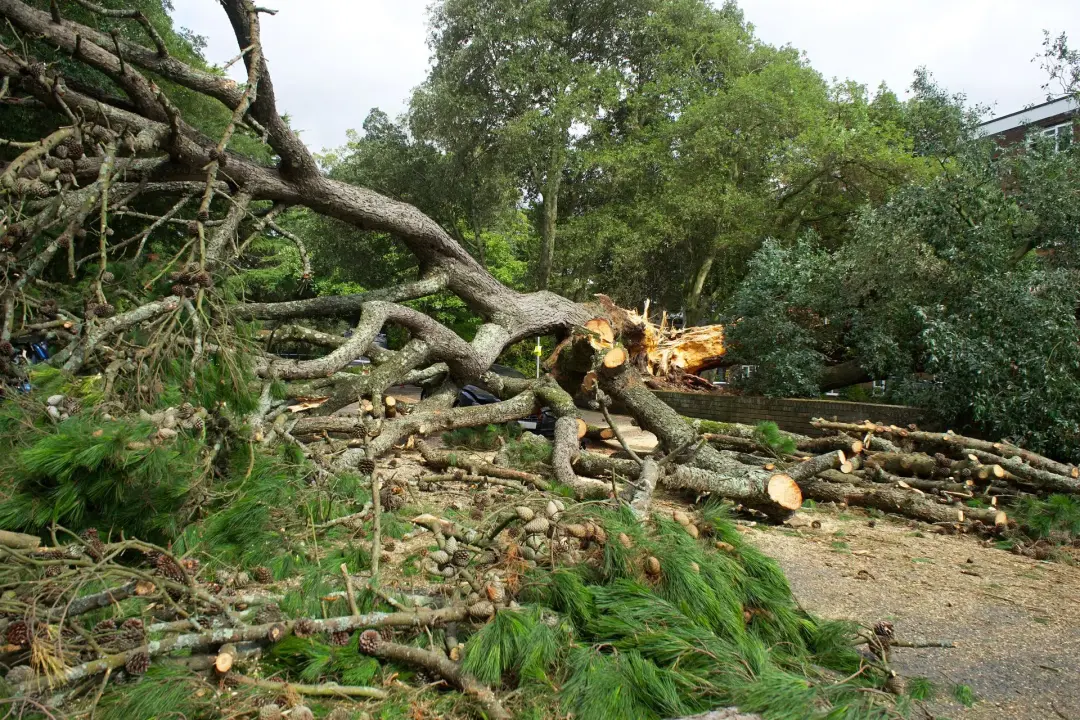
If a vehicle remains trapped beneath branches or the tree has fallen onto a building, additional emergency services or lifting equipment may be needed.
A professional tree surgeon can determine whether the tree can remain safely standing or needs controlled dismantling. The assessment should consider both visible damage and the forces created by the accident.
Cranes, rigging equipment or mobile platforms may be used where the tree cannot be climbed safely. Removing damaged sections in a planned order helps reduce the chance of further movement. Even when the tree survives the initial impact, monitoring may be required if structural damage is limited but not immediately severe.
Can a Damaged Tree Be Saved?
Not every damaged tree needs to be removed. Some can recover after losing smaller branches or suffering limited storm damage. The decision depends on trunk stability, root condition, crown damage and the amount of healthy growth remaining. A tree with one broken branch may only need pruning, while a tree with severe root movement or a major trunk split may have a much poorer outlook.
Professional assessment helps distinguish between damage that can be managed and defects that create unacceptable risk. Pruning, crown reduction or monitoring may allow some trees to remain safely in place.
Saving the tree should not take priority over safety when serious structural failure is likely. Equally, complete removal should not be automatic when suitable management can retain a healthy and stable tree. A professional arborist can recommend the most appropriate option based on both condition and location.
When Tree Dismantling May Be Needed
Tree dismantling is required when a tree cannot be safely felled in one piece. This is common where buildings, fences, roads, neighbouring properties or other trees restrict the available space. The tree is removed gradually, beginning with branches and moving through larger limbs and trunk sections. Ropes and lowering equipment can control each section so timber does not fall freely onto the surrounding area. Dismantling may also be appropriate for unstable trees because the weight can be reduced step by step. Where climbing is unsafe, a mobile elevated work platform or crane may provide access.
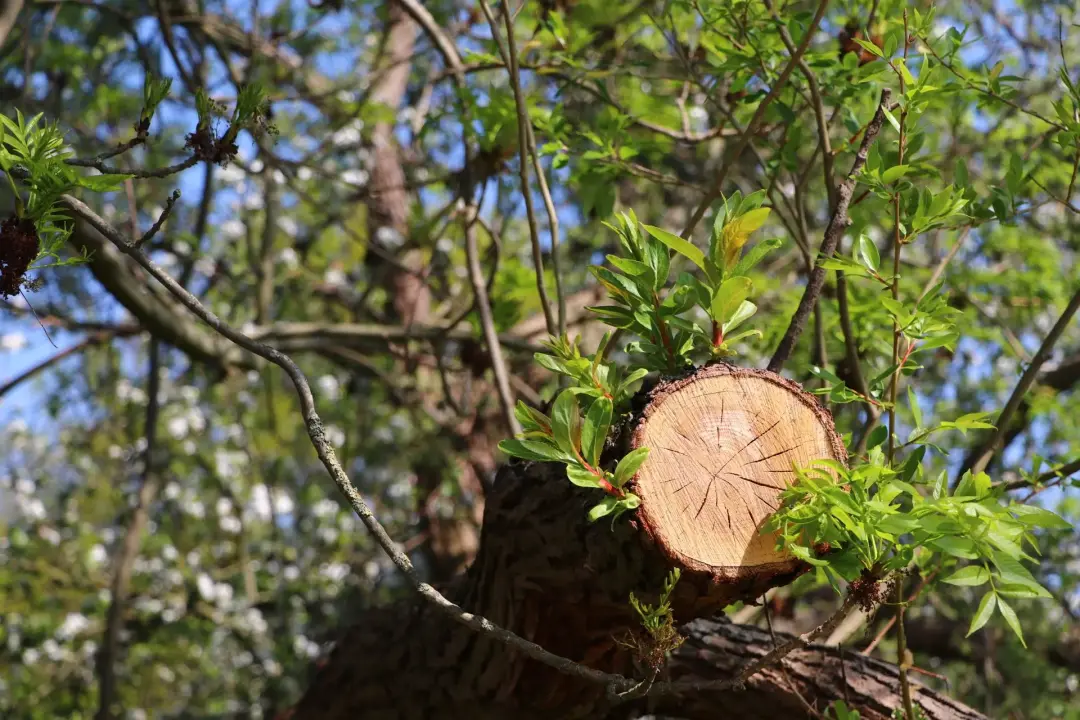
The sequence of cuts needs careful planning because removing weight from one side can affect the balance of the remaining tree. Ground workers manage ropes, timber and exclusion areas while the cutting operator works above.
Cranes can sometimes lift complete sections away from buildings or confined sites. Although dismantling takes more planning than straightforward felling, it provides much greater control. This makes it particularly valuable during emergency removals where space is limited and nearby property needs protection.
Why Delaying Tree Removal Can Be Dangerous
Delaying work on a genuinely dangerous tree can allow cracks, decay or root movement to become worse. Further wind, rain or ground movement may be enough to cause a weakened branch or tree to fail.
Once the tree moves into a more unstable position, the eventual removal can become more complicated. A tree that could initially have been dismantled using standard climbing equipment may later require a crane or mobile platform. Falling branches can also damage buildings, vehicles and other trees before full failure occurs.
People should not assume that a damaged tree is safe simply because it has remained standing for several days. Professional assessment helps establish whether immediate removal is necessary or whether monitoring is appropriate. Prompt action can reduce both the risk and the amount of emergency work needed if conditions deteriorate further.
How Professionals Assess Dangerous Trees
Professional tree assessment considers more than one visible defect. The arborist examines the roots, trunk, branch unions, crown and surrounding ground to understand how the tree is supporting itself. They look for cracks, cavities, decay, fungal growth, deadwood, leaning and signs of recent root movement. The tree's history and recent weather can also be relevant. A sudden lean after a storm is different from a natural lean that has remained unchanged for many years. Location is another important factor. The consequences of failure are greater when the tree stands close to houses, roads, schools or busy public areas.
The arborist may also consider whether the tree is safe to climb or whether alternative access equipment is required. In some cases, further investigation can help assess internal decay or root condition.
Once the inspection is complete, the professional can recommend pruning, monitoring, partial dismantling or complete removal.
The assessment also informs the work method and equipment required. This process helps ensure emergency removal is proportionate to the actual risk rather than being based only on the tree's appearance from ground level.
Looking for reliable emergency tree removal in Newbury, Donnington or Thatcham? We provide prompt, safe removal of storm-damaged or dangerous trees to keep your outdoor space secure. Give us a call today for more details.