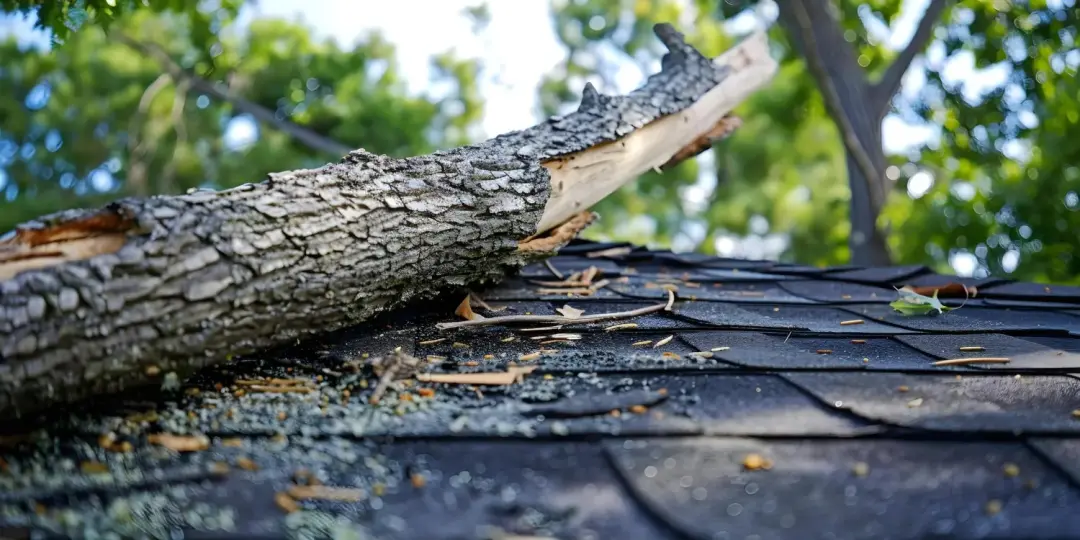
When Is Emergency Tree Removal Needed?
Emergency tree removal may be needed when a tree has become structurally unstable or when branches are likely to fall onto people, property or important access routes. Common situations include fallen trees after storms, major trunk splits, severely damaged roots and large hanging branches.
A tree that suddenly begins leaning towards a building, road or neighbouring property should also be assessed promptly. Extensive decay can create an emergency when important supporting wood has become too weak to carry the crown safely. Trees affecting power lines or blocking roads may require additional coordination with utility providers or relevant authorities.
Not every damaged tree needs complete removal. Sometimes dangerous branches can be removed while the main tree remains safe. A professional assessment helps establish the level of risk and whether pruning, dismantling or complete removal is appropriate. People should avoid approaching or cutting visibly unstable trees before professional help arrives.
How the Initial Tree Assessment Is Carried Out
The initial assessment normally begins from a safe position outside the likely fall area. The tree surgeon looks at the overall shape of the tree and identifies obvious signs of structural damage before deciding whether closer inspection is appropriate. The assessment considers whether the tree has developed a new lean, lost major branches or suffered cracks within the trunk. Fresh movement around the base can indicate that structural roots have shifted. The crown is checked for dead, broken or hanging branches that could fall during the removal process. Existing cavities and decay may also affect how safely the tree can be climbed or dismantled.
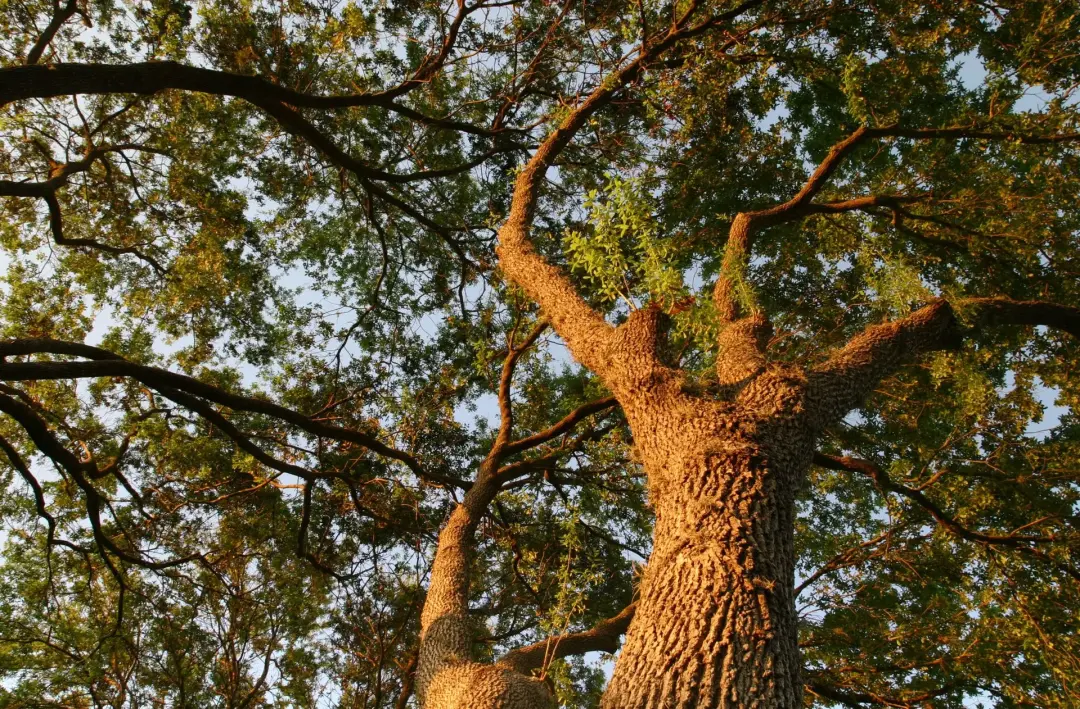
The surrounding ground is important as well. Saturated soil, lifted roots and recent excavation can reduce stability. The professional also considers what lies around the tree.
Buildings, vehicles, roads, fences and overhead services can all affect the consequences of uncontrolled failure.
Once the main hazards have been identified, the tree surgeon can decide whether the tree is safe to climb and which removal method is likely to provide the greatest control.
This assessment guides the equipment, exclusion zone and cutting sequence used throughout the emergency removal.
Identifying Immediate Risks Around the Tree
Immediate risks are identified before cutting begins so the work area can be controlled properly. The team looks for hanging branches, unstable trunk sections, moving roots and anything that could fall unexpectedly. Nearby people, vehicles and property are also considered. Cars may need to be moved and access around the tree temporarily restricted. Power lines, telephone cables and other overhead services require particular attention.
The ground beneath the tree may create additional risks if it is waterlogged, uneven or affected by lifted roots. Workers also consider where branches and trunk sections could move once cutting begins.
A damaged tree can contain stored tension that causes timber to swing, roll or split unexpectedly. Identifying these hazards early allows barriers, equipment and worker positions to be planned around them. The removal should only begin once the team understands the immediate risks and has created a suitable method for controlling them.
Checking the Trunk, Branches and Root System
The trunk, branches and roots are all checked because each part contributes to the overall stability of the tree. Damage in one area can affect how safely the rest of the tree can be removed. The trunk is examined for fresh cracks, splits, cavities, decay and areas where bark or wood has broken away. A severe split can change how the tree responds when branches are removed. The crown is checked for hanging limbs, deadwood and branches with damaged attachment points. Some broken branches can remain trapped within neighbouring growth and may fall when the tree begins moving.
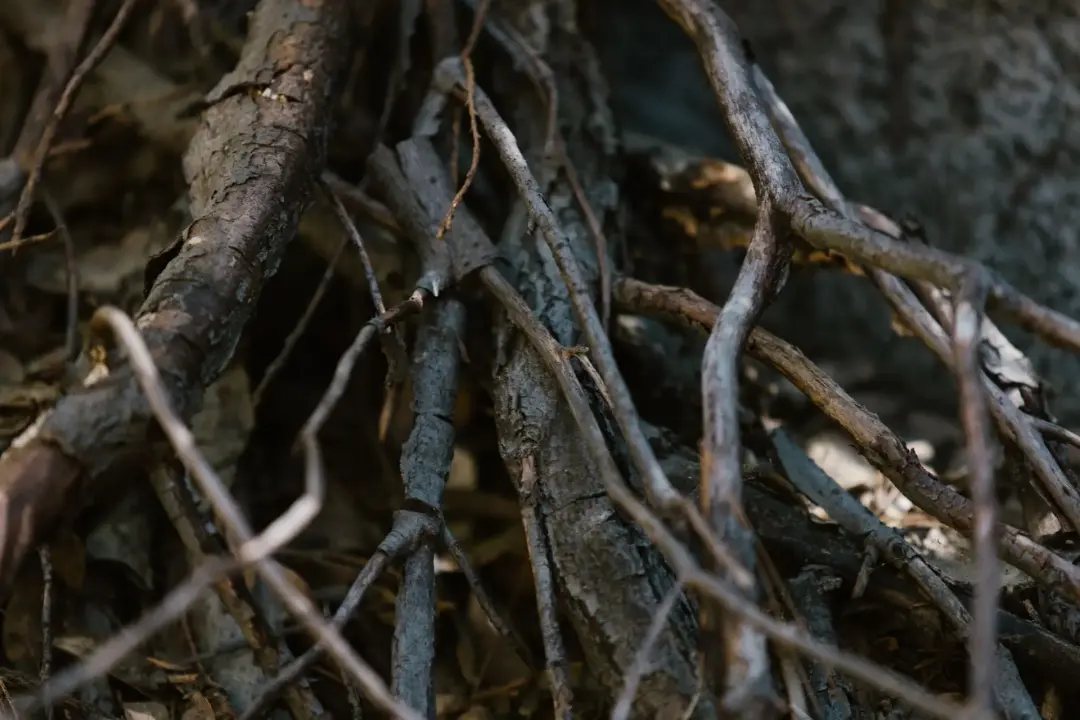
The root system is assessed from visible signs around the base. Lifted soil, exposed roots and fresh ground cracks can indicate movement within the root plate.
If roots have already failed, the tree may not be suitable for climbing. Alternative access equipment can then be considered. The tree surgeon also thinks about how removing weight will affect the remaining structure.
Cutting a large branch from one side can change the forces acting on the trunk and roots. Checking all three areas helps the team develop a removal sequence that reduces load gradually while keeping workers away from the most unstable parts.
Assessing Nearby Buildings, Roads and Power Lines
The surroundings can have a major effect on how emergency tree removal is completed. Buildings, roads, driveways and power lines reduce the amount of space available for falling branches and timber. A tree beside a house may need to be dismantled in small pieces rather than felled from the base.
Roadside work can require barriers, signs or temporary traffic management. Power lines create additional electrical risks and may require involvement from the electricity network operator before tree work starts. Nearby fences, sheds, vehicles and neighbouring gardens should also be considered. The team identifies where sections can be lowered or placed without causing damage.
A clear understanding of the surroundings helps determine whether ropes, cranes or specialist access equipment are needed. Emergency removal is planned around both the condition of the tree and what could be affected if a section moves unexpectedly.
Creating a Safe Working Area
A safe working area is created before emergency cutting or dismantling begins. People who are not involved in the work should remain outside the area where branches or trunk sections could fall. Barriers, cones or warning signs may be used to mark the exclusion zone. On commercial sites or roads, more extensive access control may be necessary. Vehicles and movable property can be relocated where this can be done safely. This provides additional working room and reduces the chance of accidental damage. The tree team also needs clear routes for moving timber, operating machinery and accessing vehicles.
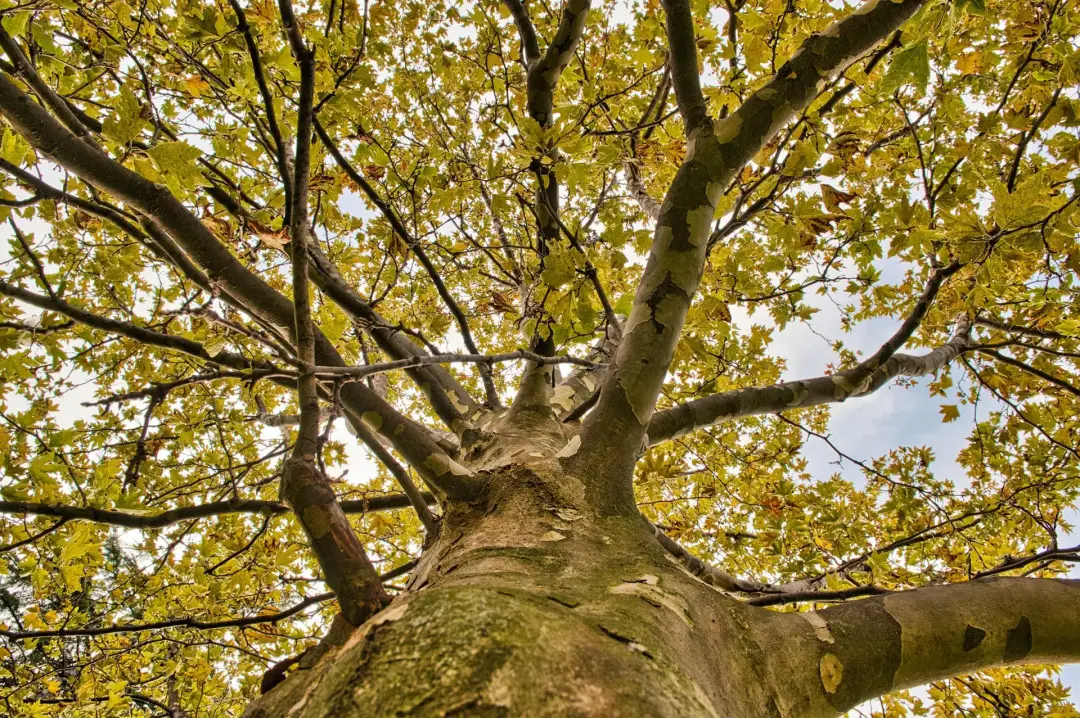
Equipment should not block escape routes or create unnecessary trip hazards around the tree. Workers identify safe positions for ground staff before branches are cut or lowered. Communication between climbers, machine operators and ground workers is established before work begins.
The exclusion zone may change as the tree becomes smaller and different sections are removed. Weather and ground conditions are also monitored because they can affect the safety of the working area.
Creating a controlled site allows the removal team to focus on the tree while reducing the chance of members of the public or property entering areas where timber could move unexpectedly.
Choosing the Safest Tree Removal Method
The safest removal method depends on the tree's condition, size, location and available working space. Where the tree remains stable and there is a large clear area, straightforward felling may sometimes be possible. Confined sites usually require sectional dismantling so branches and trunk pieces can be removed gradually. If the tree is safe enough to climb, an arborist may work from ropes within the crown.
When climbing would be unsafe because of root movement or trunk damage, a mobile elevated work platform may provide access. Cranes can be used where large sections need to be supported and lifted away from buildings or other obstacles.
Rigging equipment may also control branches as they are cut. The chosen method should reduce uncontrolled movement and keep workers away from unstable areas. Professional assessment allows the removal technique to be matched to the actual conditions rather than using the same approach for every tree.
When a Tree Can Be Felled in One Section
A tree may be felled in one section when it remains sufficiently stable and there is enough clear space for the entire trunk and crown to fall without striking buildings, roads, vehicles or other important features. The team first identifies the intended fall direction and assesses the natural lean, crown weight and surrounding obstacles. The ground must provide enough room for a suitable exclusion zone. People and property should remain well away from the planned fall area. The condition of the trunk and roots is also important. A severely split or partially uprooted tree may behave unpredictably during felling and could require a different method.
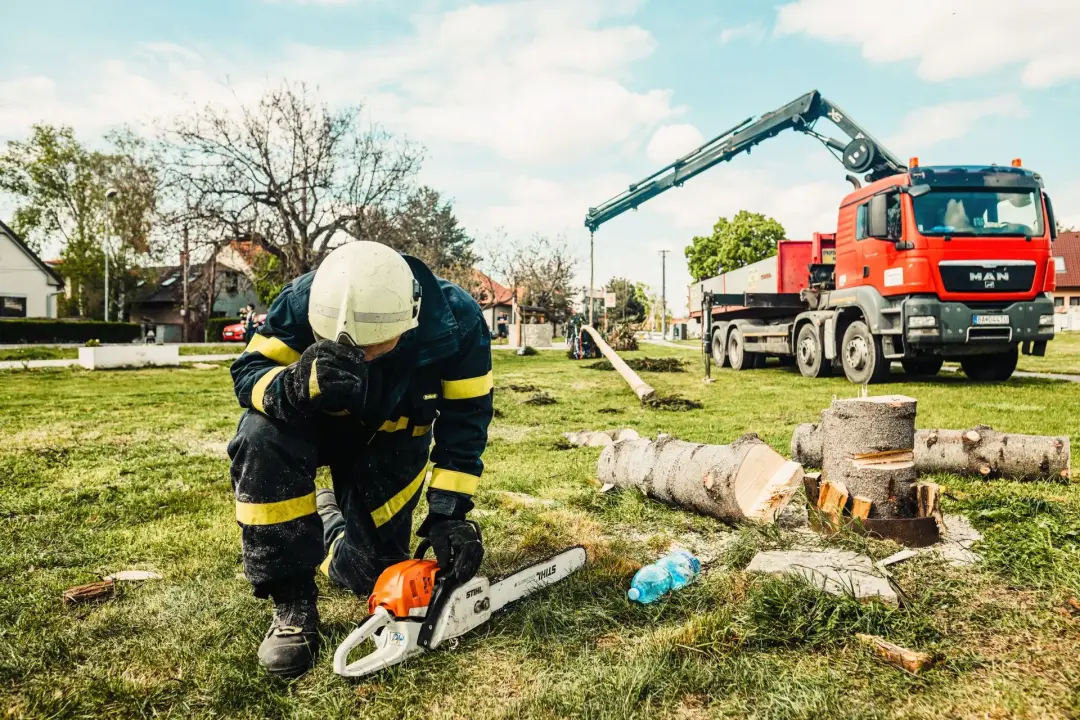
Where appropriate, ropes or winches can sometimes help control the direction of fall. Cuts are made at the base in a planned sequence so the tree begins moving towards the selected area.
Even straightforward felling requires professional judgement because tree weight and internal damage can influence movement.
Once the tree reaches the ground, branches and trunk sections can be cut into manageable pieces for clearance.
Felling in one section can be efficient in open spaces, but it is generally unsuitable where the available drop zone is restricted or where nearby structures could be damaged.
When Sectional Tree Dismantling Is Needed
Sectional dismantling is needed when a tree cannot be safely felled in one piece. This is common in gardens, commercial properties and built-up areas where buildings, fences or roads limit the available space. The tree is removed gradually, usually beginning with smaller branches before progressing to larger limbs and trunk sections.
Ropes and rigging systems can lower individual pieces where they cannot be allowed to fall freely. A climber may work from within the tree when the structure remains safe enough. Mobile elevated work platforms can provide access where climbing is unsuitable.
The dismantling sequence is planned carefully because each removed section changes the balance of the remaining tree. Although sectional removal can take longer than simple felling, it provides far greater control. This makes it particularly useful during emergency work where unstable timber must be removed without damaging surrounding property.
Removing Dangerous or Hanging Branches First
Dangerous or hanging branches are often removed early because they can fall unexpectedly while the rest of the work is taking place. Removing them also creates safer access to the remaining crown and trunk. The tree surgeon first identifies branches with broken attachments, torn wood or severe cracks. Branches trapped within neighbouring limbs are also considered because they may move when other sections are cut. Small branches may sometimes be removed directly, while larger pieces can require ropes and rigging.
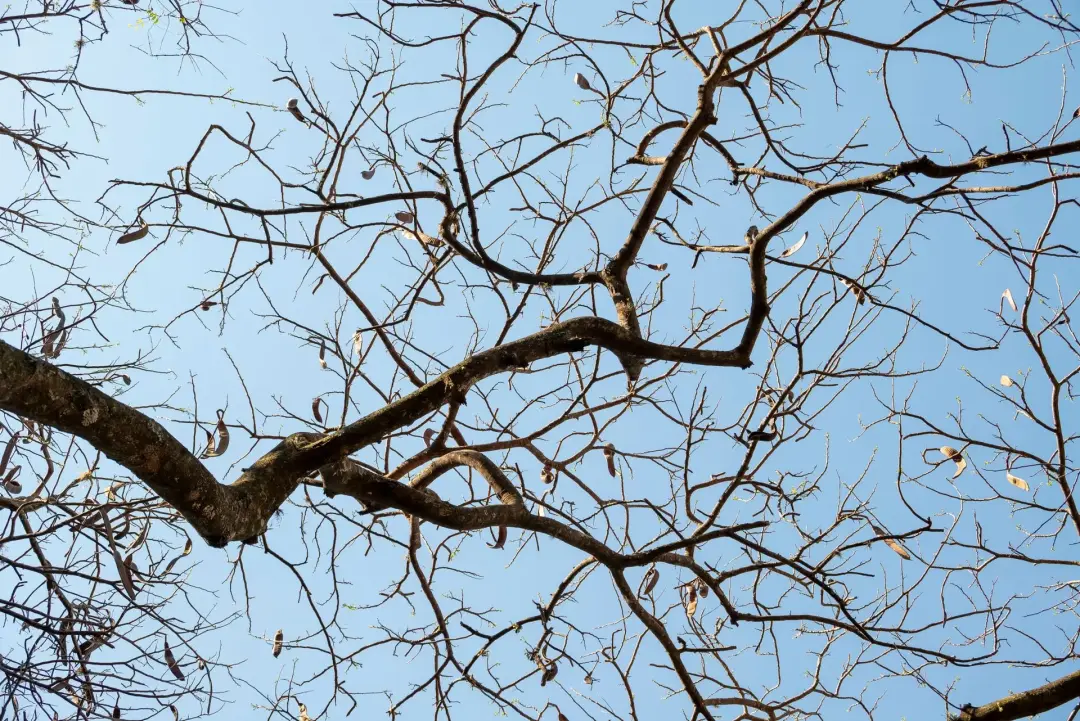
The branch may be secured before cutting so it can be lowered under control instead of falling. Workers on the ground remain outside the lowering area and manage ropes from agreed positions.
Removing dangerous branches can also reduce the weight and wind loading on an unstable tree. The order matters because cutting one limb can release another branch that was resting against it.
Once the immediate overhead hazards have been removed, the team can continue dismantling the healthier or more stable parts of the crown. This staged approach reduces the chance of uncontrolled branch failure during the main removal.
It also makes it easier for workers to see the remaining structure and identify cracks or damage that were hidden by dense foliage.
Using Ropes and Rigging to Control Tree Sections
Ropes and rigging equipment allow branches and trunk sections to be lowered instead of dropped freely. This is especially useful when trees stand close to buildings, fences, roads or other sensitive areas. A suitable rope is attached to the section before the cut is completed. Rigging blocks, pulleys and lowering devices can help control the direction and speed of movement.
Ground workers manage the rope and lower the timber into a selected area. The size of each section must match the capacity of the equipment and the available anchor points.
Large pieces create substantial forces, so the team may cut the tree into smaller sections where necessary. Clear communication between the cutting operator and ground team is essential. Controlled rigging makes it possible to dismantle trees in locations where allowing branches to fall naturally would create unacceptable risks.
Using Specialist Access Equipment
Specialist access equipment may be needed when the tree is too unstable to climb or when the working position cannot be reached safely using normal climbing techniques. Mobile elevated work platforms can lift an operator to the crown in a protected basket. These machines are particularly useful where trunks are split, roots have moved or branches cannot provide safe climbing anchors. Different platforms offer different heights and sideways reach. Access to the property and ground conditions determine which type can be used. Tracked machines can sometimes reach gardens or confined sites that larger wheeled platforms cannot enter.
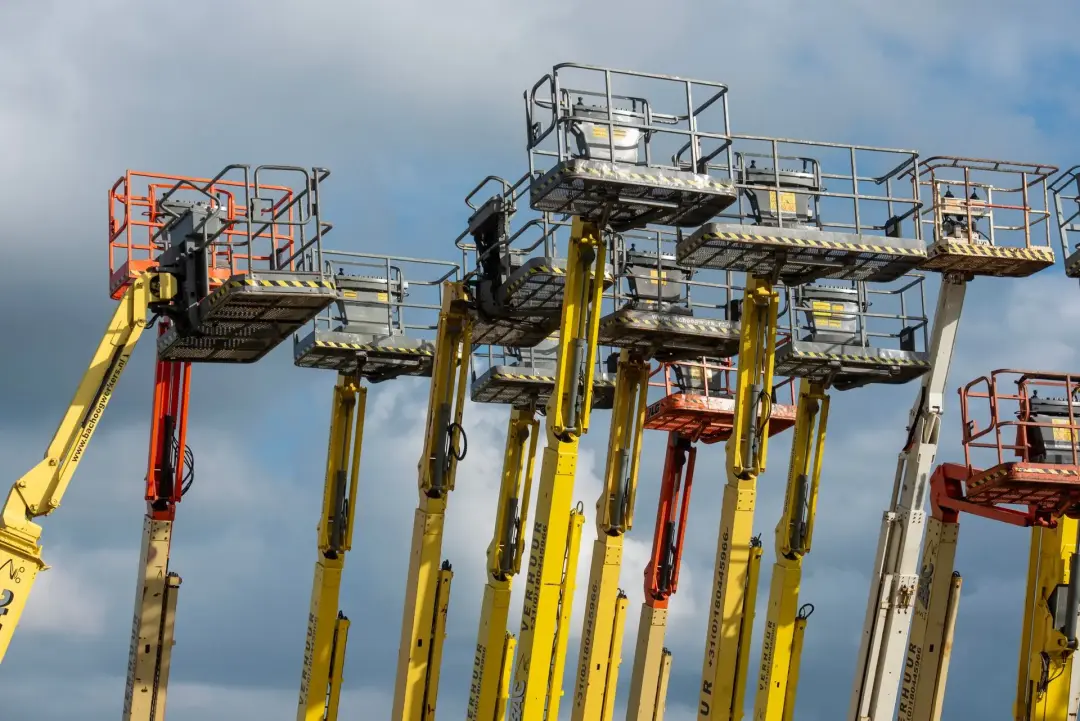
Cranes can also provide access and lifting support during particularly difficult removals. In some operations, an arborist may work from a suitable crane-supported system while sections are lifted away. Specialist equipment needs enough space for safe setup and operation.
Soft ground, slopes and overhead services can restrict where machinery is positioned. Power lines require additional precautions because platforms and cranes can create serious electrical risks if they approach live conductors.
Choosing suitable access equipment allows the tree team to reach dangerous sections without relying on an unstable tree for support. The equipment forms part of the overall removal plan and must be operated by appropriately trained people.
Removing Large Sections of the Trunk
After the crown has been reduced or removed, the remaining trunk is normally cut into sections that can be controlled safely. The size of each piece depends on the trunk diameter, available space and equipment being used. In open areas, some sections may be allowed to drop into a controlled zone. Near buildings or other obstacles, trunk sections can be lowered with rigging or lifted by a crane.
Large pieces are extremely heavy, so their approximate weight must be considered before cutting. The operator normally works progressively down the trunk until only a short stump remains. Ground workers move or process each section so the work area does not become overcrowded.
Winches, machinery or lifting equipment may be needed to handle heavier logs. Controlled trunk removal reduces the chance of large sections bouncing, rolling or striking nearby property after they are cut.
Controlling Where Branches and Timber Fall
Controlling where timber falls is a central part of emergency tree removal. Even relatively small branches can cause damage when dropped from height, while large limbs and trunk sections can weigh hundreds of kilograms. The team first establishes a suitable landing or lowering area. Where enough open space exists, selected branches may be allowed to fall directly into a controlled exclusion zone. In tighter areas, ropes and rigging equipment can guide timber towards a specific position. The cutting technique also influences movement. The operator plans where a branch will pivot and how the remaining wood will behave as the cut is completed.
Large branches may be divided into several smaller pieces to reduce weight and movement. Ground workers remain outside the expected path and control lowering ropes where required.
Cranes can lift particularly large sections vertically before moving them away from the tree. Protective mats or boards may sometimes be used over lawns, paving or other vulnerable surfaces.
The plan is reviewed continuously because the available space changes as the tree is dismantled. Careful control of falling timber protects workers and reduces the chance of branches damaging buildings, vehicles or surrounding landscaping.
Protecting Nearby Buildings and Property
Buildings and surrounding property are considered throughout the removal process when the tree stands close to them. Branches may need to be lowered with ropes rather than dropped. Roofs, windows, fences, sheds and vehicles can all be vulnerable to falling timber. Movable items should be relocated from the work area where possible.
Protective boards or ground mats may be used over lawns, paving or other surfaces. Where large sections need to pass over a building, crane-assisted removal may provide greater control. The team also considers how ropes and equipment are positioned so they do not damage gutters or decorative features.
Careful dismantling may take longer than allowing timber to fall freely, but it can greatly reduce property damage. The removal plan should account for both obvious structures and smaller features around the tree before cutting begins.
Managing Emergency Tree Removal in Confined Spaces
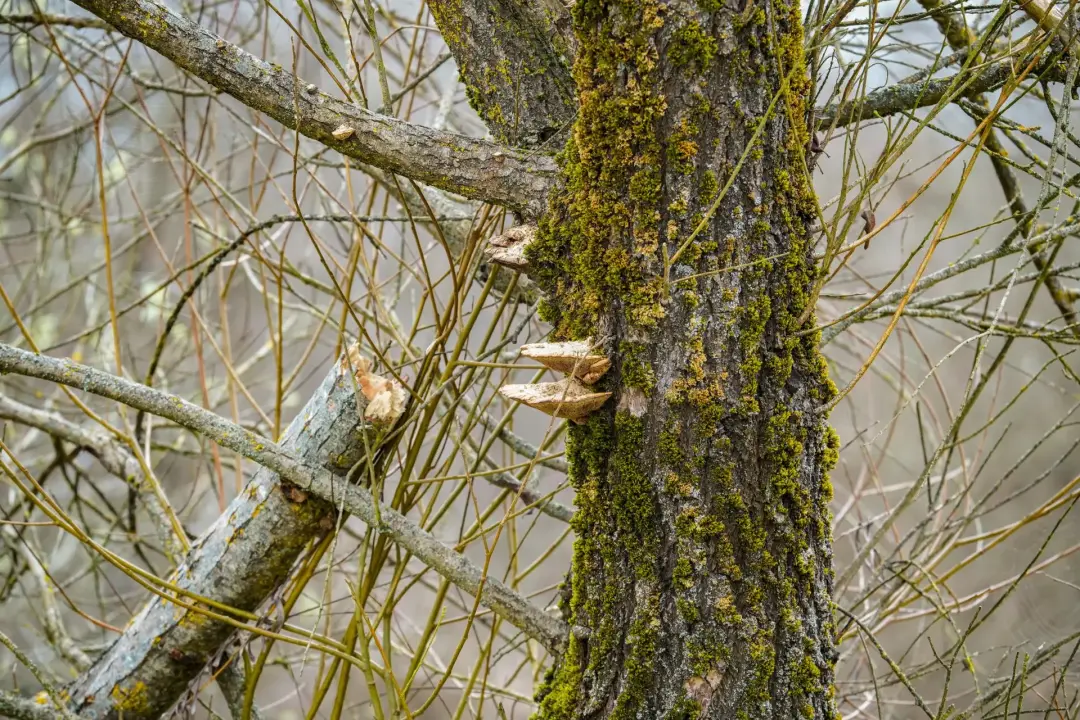
Confined spaces create additional challenges because there may be very little room for branches, machinery and waste. Narrow gardens, enclosed courtyards and properties with restricted side access often require more detailed planning. Large cranes or work platforms may not be able to reach the tree. Compact tracked machinery can sometimes pass through smaller gateways and expand once inside the work area. Where machinery access is impossible, climbing and rigging may be used to dismantle the tree manually. Branches are normally cut into smaller sections and lowered into a limited landing area.
Waste may need to be processed and removed continuously because there is not enough space to store large quantities on site. The route between the tree and the road should also be considered.
Timber might need to be cut into smaller pieces so workers can move it through narrow passages. Nearby walls, fences and neighbouring gardens may require additional protection. Confined access can increase the time required for removal because each section needs more controlled handling.
A professional site assessment allows the team to select equipment that fits the space and organise the cutting sequence around the restricted working area. This makes it possible to remove dangerous trees even where normal large machinery cannot reach them.
Removing Trees Near Roads and Driveways
Trees near roads and driveways require additional control because falling branches can affect vehicles, cyclists and pedestrians. The working area may need barriers, cones or temporary traffic controls. Where a public road is affected, coordination with the relevant authority may also be necessary. Branches over the route are usually removed in a controlled manner rather than dropped freely.
Traffic may need to be stopped briefly while individual sections are lowered. Fallen trees blocking driveways can sometimes be cleared in stages so access is restored before the remaining timber is processed.
Vehicles should be moved away from the work area wherever practical. Clear communication between the tree team and anyone managing traffic is essential. The aim is to complete the removal while preventing branches, equipment or waste from creating additional hazards on the route.
Removing Trees Near Buildings
Trees close to buildings are usually removed using controlled dismantling methods because there is insufficient space for the tree to fall in one piece. The tree surgeon begins by removing branches that extend over or towards the building. Ropes and lowering equipment can guide these sections away from roofs, windows and walls. Large limbs may need to be divided into several smaller pieces before they are removed. A mobile elevated work platform can provide access where the tree is unsafe to climb.
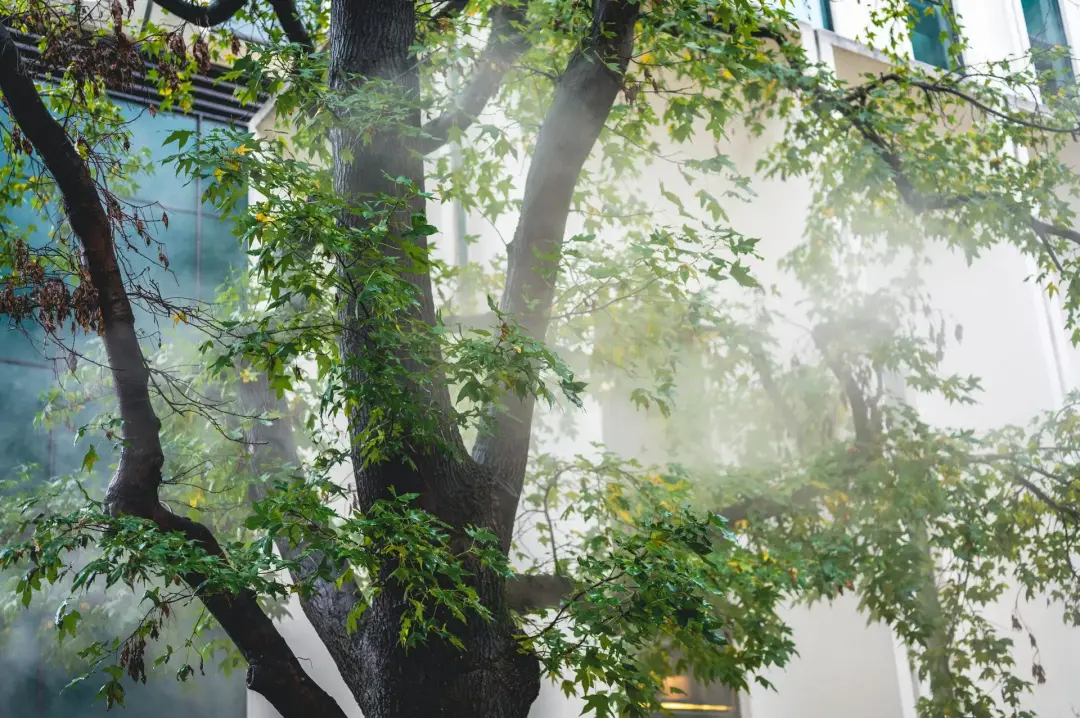
Cranes may be used for large trees where heavy sections need to be lifted directly over a building and placed into a clear area. The trunk is then dismantled progressively, with each section controlled according to the available space.
Nearby gutters, fences, conservatories and garden structures should also be considered. Ground protection may be installed to reduce damage where logs or machinery need to cross lawns and paving. Careful planning is particularly important if the tree is already leaning towards the building.
Removing weight in the wrong order could increase movement. A professional team plans each stage so the structure becomes progressively smaller while remaining under control. This approach reduces the risk of emergency removal causing additional damage to the property it is intended to protect.
Looking for reliable emergency tree removal in Newbury, Donnington or Thatcham? We provide prompt, safe removal of storm-damaged or dangerous trees to keep your outdoor space secure. Give us a call today for more details.