
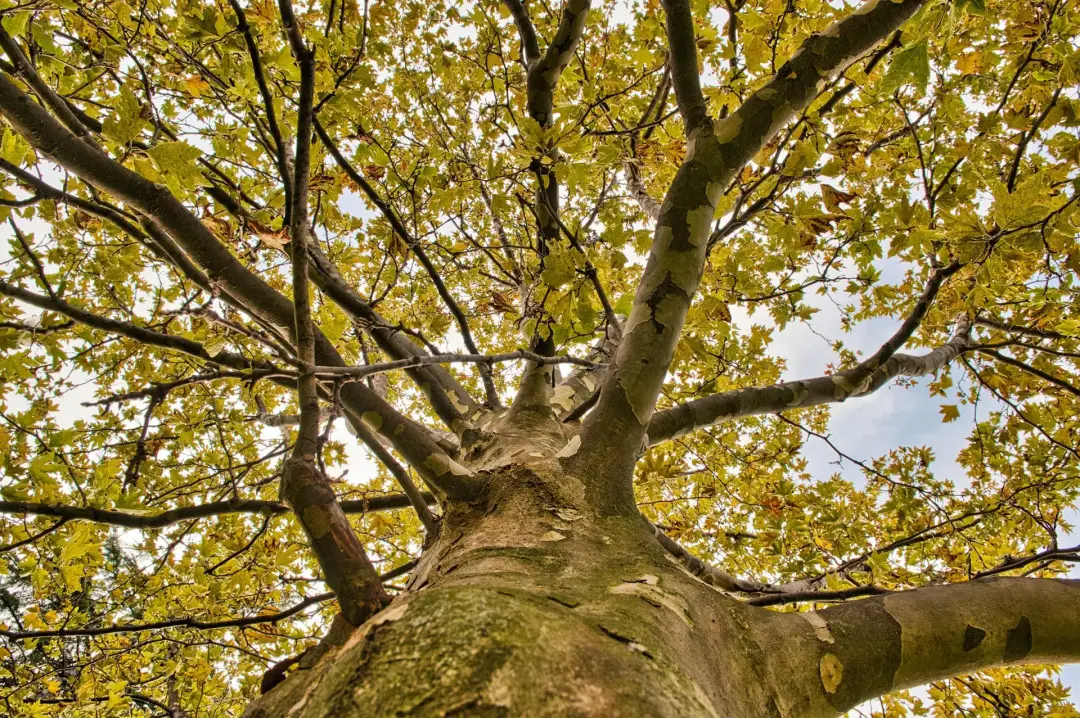
Professional Crown Management
If your tree has become too large, dense or overgrown in your local area or garden, our tree surgeons can help you with careful pruning.
Crown reduction starts with a check of the tree, its shape and the space around it. Our tree surgeons consider the species, age and condition, along with nearby buildings, boundaries, roads and features before deciding how much growth should be removed.
We use cutting methods to shorten selected branches while keeping a balanced shape. Where the crown is crowded, careful thinning can improve light and airflow without removing too much growth. We clear cut material and leave the area tidy.
Crown Reduction & Thinning Services
Crown reduction and thinning can help manage trees that have become too large, dense, unbalanced, or close to nearby property. We inspect the crown, agree the result you want, and choose suitable pruning cuts for the tree. Reduction shortens selected branches to decrease the crown size, while thinning removes selected growth within the canopy. Both methods aim to keep a natural shape, support healthy growth, improve light, and leave your outdoor space neat and easier to enjoy.
Crown Size Reduction
Crown size reduction is a way to make a tree smaller while keeping its natural form and healthy structure.
Our tree surgeons assess the crown, agree the required size, and select suitable branches to shorten. The work can create more space around buildings, boundaries, roads, and gardens. Cut material is removed responsibly, leaving the area clean and the tree balanced.
Crown Thinning
Crown thinning removes selected smaller branches from throughout the canopy without greatly changing the tree’s overall size or shape.
This can let more light through, improve airflow, and reduce the amount of dense growth within the crown. The work is spread evenly across suitable branches, helping the finished tree keep a natural, balanced appearance.
Canopy Reshaping
Canopy reshaping improves the outline of a tree where growth has become uneven, heavy, or poorly balanced.
Selected branches are shortened or removed to create a more even form while respecting the tree’s natural habit. This can improve its appearance, create useful clearance, and encourage a better spread of future growth through the crown.
Building Clearance Pruning
Building clearance pruning creates practical space between tree branches and nearby roofs, walls, windows, sheds, or other structures.
We identify the branches causing concern, then shorten them with suitable pruning cuts. The aim is to improve clearance without taking away unnecessary growth. Cut branches are removed and recycled where possible, leaving the area tidy.
Light Levels
Careful crown thinning can allow more light through a dense canopy while keeping the tree’s overall height and spread largely unchanged. Selected growth is removed carefully and evenly throughout the crown.
This can also improve airflow between branches and create a lighter appearance. We avoid excessive thinning, helping the tree keep enough healthy growth for its species.
Balanced Tree Pruning
Balanced tree pruning is useful when one part of a crown has become heavier, longer, or more dominant than the rest.
We assess the whole canopy before shortening selected branches to improve proportion and shape. Careful cuts help retain healthy branch structure and a natural outline. We remove the cut material and leave the site tidy after the work is complete.
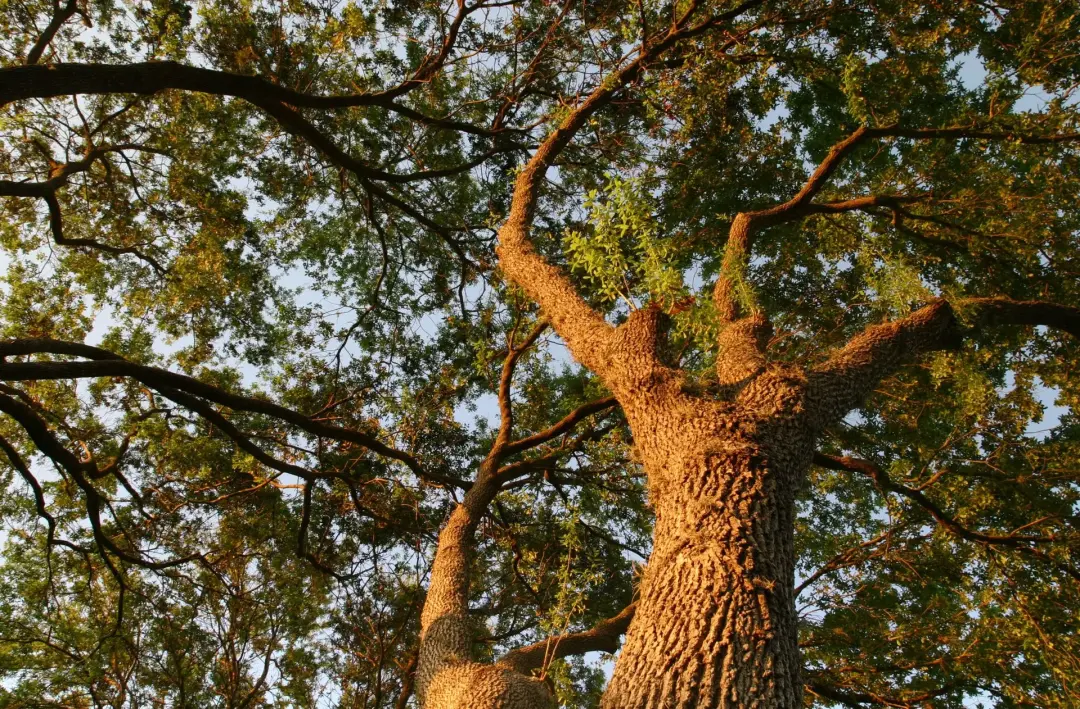
Choosing Reduction Or Thinning
If your tree feels too large for its setting, crown reduction may be suitable because it shortens the height, spread, or both while keeping a natural outline where possible. Our team can explain the shape before work starts.
If the main concern is a dense canopy, crown thinning may be better because selected growth is removed from within the crown while its overall size remains similar for your tree.
Our tree surgeons can assess the tree and explain which approach is suitable. Contact Green Tips to arrange advice from team.
Book Crown Reduction & Thinning
When a tree becomes too large or dense for its setting, crown reduction or thinning can be a way to manage its size, shape, light levels and relationship with the space around it. Overextended branches, crowded growth, and limited clearance are common reasons to consider pruning.
Our tree surgeons assess the tree before recommending suitable work, with careful cuts chosen to support a balanced and natural result. Reduction may be used where height or spread needs managing, while thinning can open a dense canopy without greatly changing the overall crown size or outline.
Pruning can also maintain useful clearance, improve light, and keep trees better suited to their surroundings. Contact our team today to arrange advice.
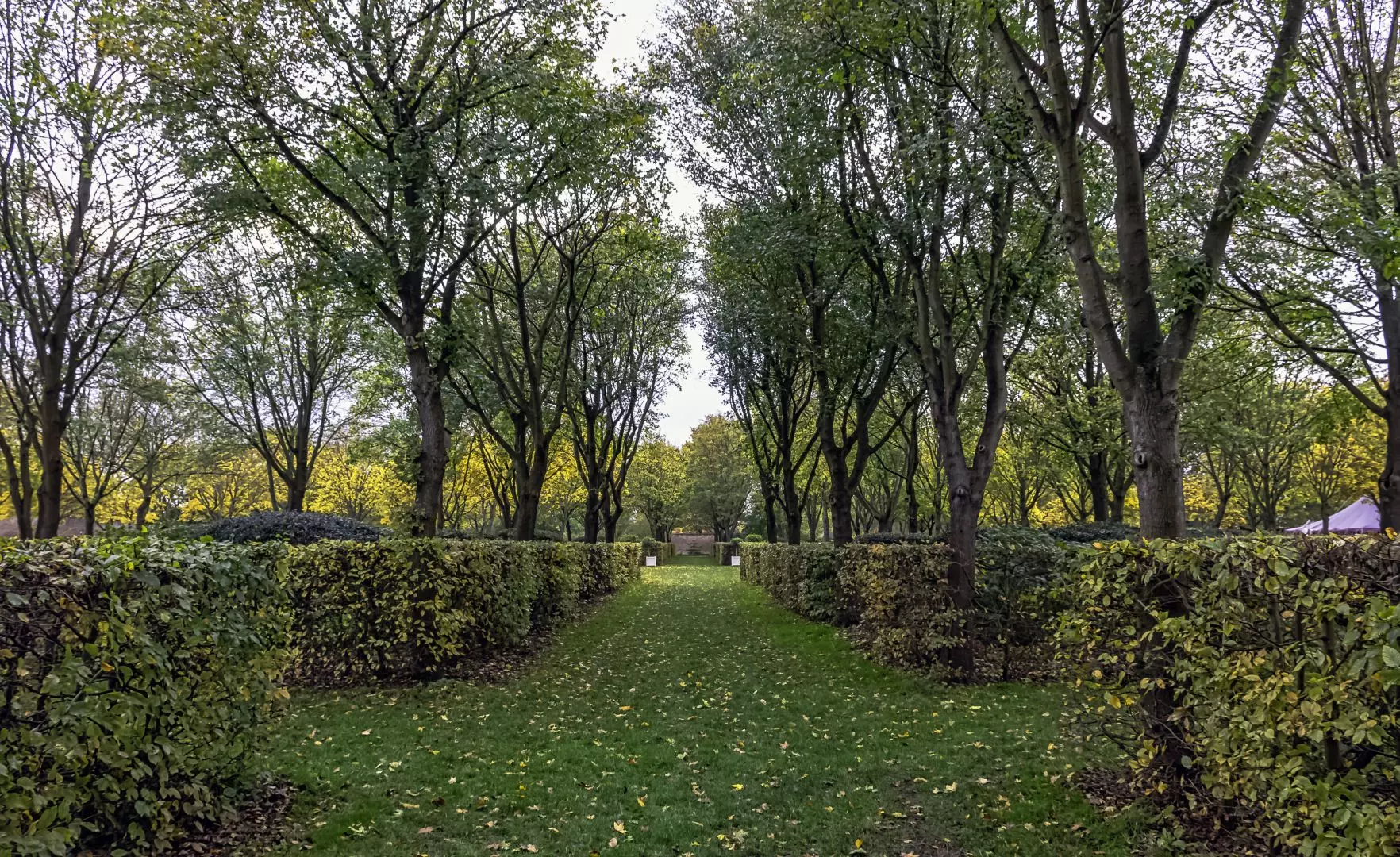
Hedge Maintenance
We offer expert hedge maintenance, including trimming, shaping, and seasonal care to keep your hedges healthy and well-groomed. Our team ensures your boundaries look neat and provide privacy all year round.
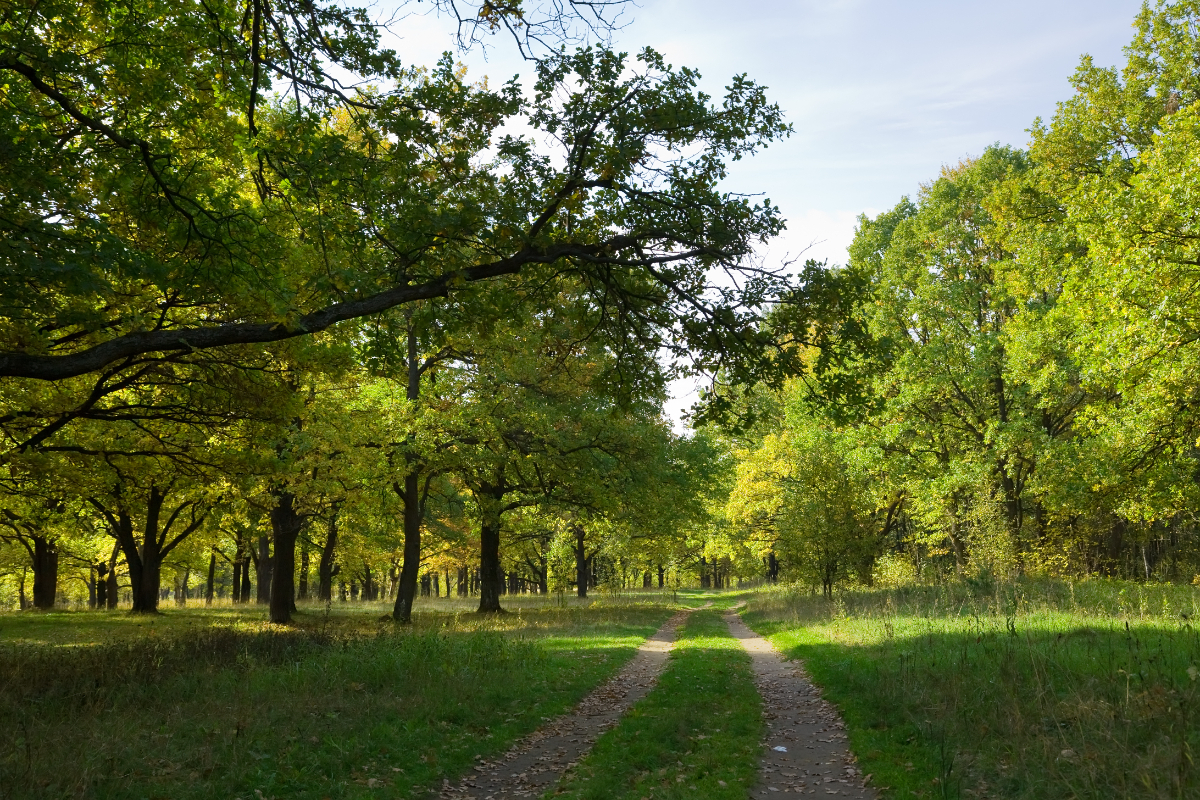
Woodland Management
Our woodland management services support biodiversity and tree health. From thinning and planting to pest control and debris clearance, we create sustainable woodland environments tailored to your requirements.
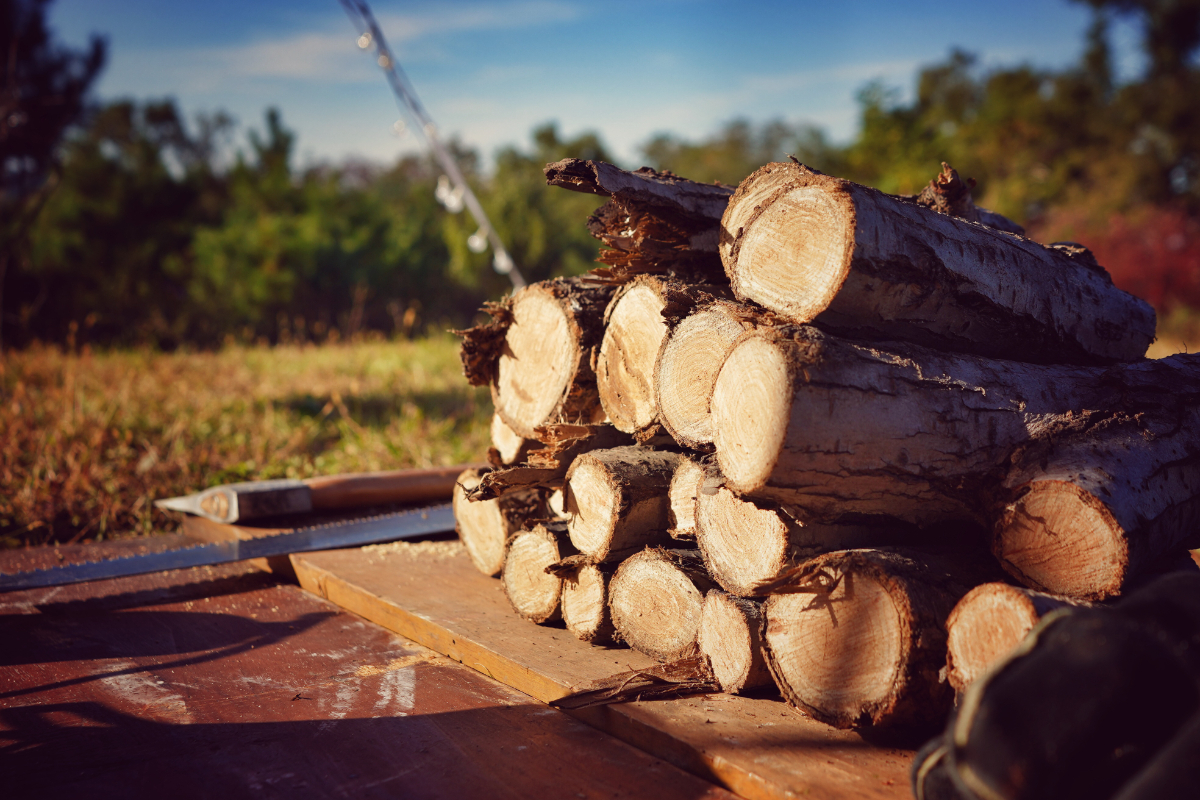
Firewood Supply & Delivery
We supply high-quality, seasoned firewood suitable for fireplaces and wood burners. Our firewood is sustainably sourced, ensuring an environmentally friendly solution for your heating needs.
Frequently Asked Questions
About Crown Reduction & Thinning
Find out about crown reduction and thinning from our frequently asked questions. If you require any further information, feel free to get in contact on 01635 254 712.
Crown reduction carefully reduces the overall height, spread, or both by shortening selected branches back to suitable growth points. It is used to manage size while keeping a balanced shape and as much healthy growth as possible for the tree and setting.
Yes. Crown reduction and thinning can be arranged across Newbury, Donnington and Thatcham for trees needing professional crown management.
Crown thinning removes selected branches from within the canopy. It can improve light and airflow while keeping the tree’s overall height and spread broadly similar and retaining a natural appearance.
Crown reduction carefully makes the crown smaller by shortening outer branches. Crown thinning removes selected growth within the canopy without greatly changing its overall size. The best option depends on the tree, your aims and each tree.
Yes. Selected branches can often be shortened to improve clearance around roofs, walls, windows, sheds, fences, and other structures. The tree is assessed first so the work remains balanced and appropriate.
Yes. Selective thinning can allow more light through a canopy while keeping the crown’s general size and outline unchanged.
Some change is expected because selected branches are shortened, but careful crown reduction aims to keep the tree balanced and natural. The final shape depends on its species, condition, and growth.
Cut branches and other pruning waste can be cleared from the site after the work. Suitable material may be chipped, removed, or left for reuse if this is agreed with you beforehand.
Some trees may be protected or located within a conservation area. Permission or notice may be required before pruning takes place. It is important to check the local requirements in your area before carrying out crown reduction or thinning work.
The cost depends on the tree’s size, condition, access, location, and the amount of pruning required. A clear price can usually be provided after the tree has been assessed and the required crown work agreed for your particular tree work.