When Branches Are Overhanging Roads, Paths, or Neighbours
When tree branches hang over a road, footpath, driveway, or a neighbour’s garden, it can quickly become a safety hazard. Overhanging branches can snap without warning, especially during high winds or after heavy rain, and even if a branch looks healthy, it can still snap if it's long, heavy, or weak. If an overhanging branch is left too long, it can fall and land on a car, a pedestrian, or a cyclist.
Overhanging branches can also cause legal and neighbour issues, too. If your tree causes damage, you could be held responsible. Overhanging branches can lead to complaints and disputes if they scratch cars, damage fences, or block someone's access. A professional tree surgeon can help you manage the tree before it becomes a problem.
Cracks, Splits, and Leaning Trees
Trees that have visible cracks, splits, or are leaning should never be ignored since these signs often mean that the tree has been weakened by strong winds, heavy rain, snow, or poor ground conditions. Sometimes the damage can be caused by decay inside the trunk or roots, so the tree may look fine from a distance, but it can be unsafe up close. Calling a tree surgeon is the safest way to find out what's happening with your tree and what should be done to help it.
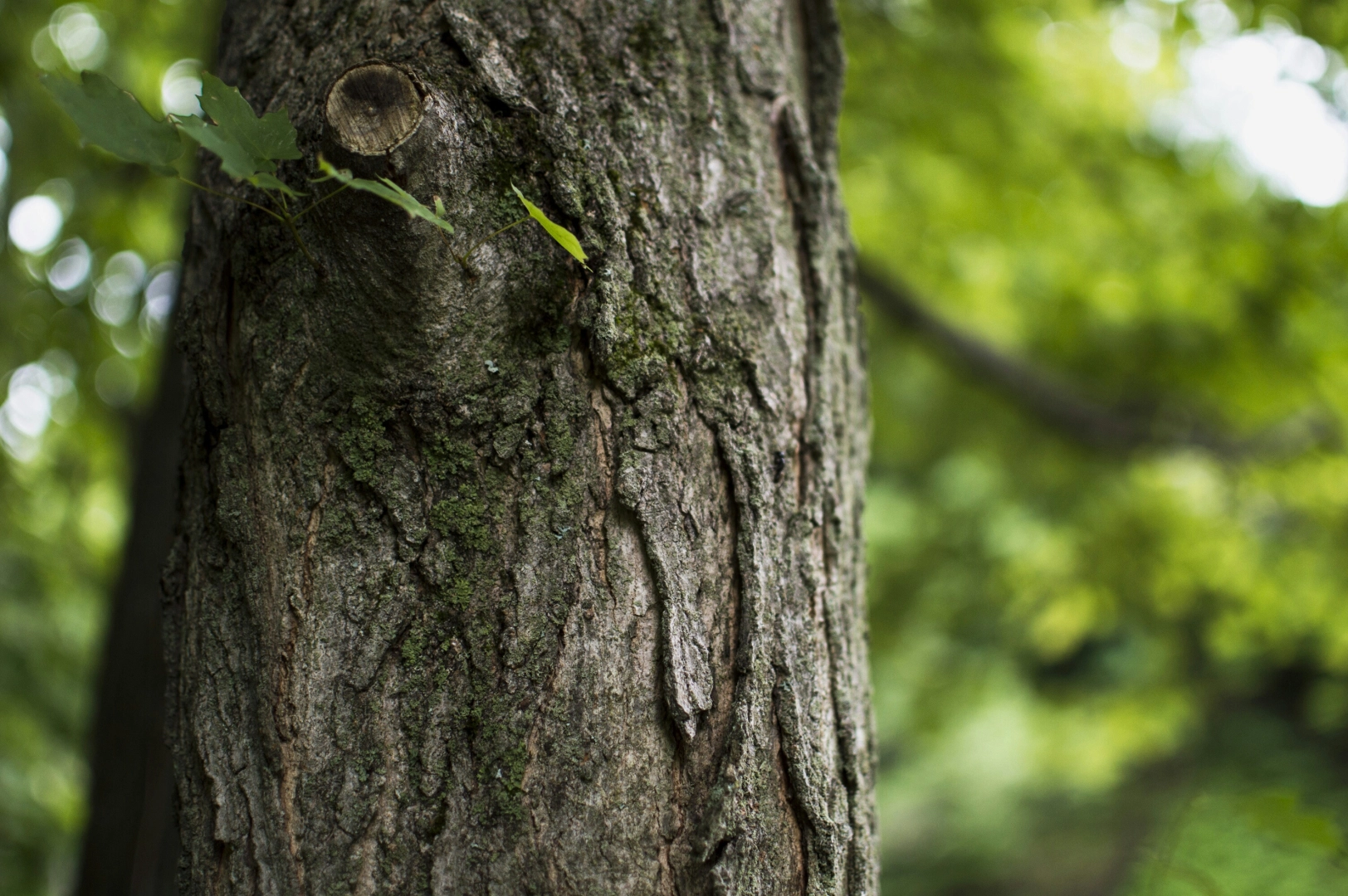
A leaning tree can be especially dangerous if the lean has appeared quickly. A newly appeared lean can suggest there's root movement, waterlogged soil, or a break in the root plate, and if the roots are failing, the whole tree can fall. Cracks and splits in the trunk also suggest that the trunk fibres have been pulled apart, which can reduce the tree’s strength and make it more likely to snap. In some cases, a split can grow wider over time, especially during storms, until the tree eventually collapses.
A tree surgeon can inspect the tree properly and look for clues such as soft wood, fungi, cavities, lifted soil, and dead growth. They can also judge whether or not the tree can be preserved with careful pruning, bracing, or a crown reduction, or if removing the tree is the best option. A cracked or split tree can crush sheds, greenhouses, garden furniture, fences, and walls, and it can also damage your lawn and flowerbeds if heavy branches fall and dig up the ground.
Signs of Disease, Rot, or Fungus
The UK's wet weather and mild winters can encourage fungi to grow and cause trees to decay, especially if they are older trees or trees that have bark damage. What can look like a small patch of fungus, a soft area, or dying leaves can be linked to a much bigger problem that's hidden in the trunk or roots.
A tree surgeon can identify the likely causes of tree diseases, check how far the damage has spread, and look for any signs of instability. Rot can weaken the trunk so that it's more likely to crack, split, or fall during strong winds, and some diseases can reduce the tree’s ability to carry water and nutrients, which can lead to dead wood in the crown.
A tree surgeon will know how to manage the tree without causing extra stress. Poor pruning, cutting into the decayed areas, or disturbing damaged roots can all make the problem worse. A tree surgeon can recommend the right steps to take, such as removing dead wood, reducing the crown to lower wind strain, improving the growing conditions, or removing the tree entirely if it can't be made safe.
When a Tree Is Blocking Light or Growing Too Large
When a tree blocks out light or grows too large, it can cause problems that build up over time. In the UK, many gardens are small, and a fast-growing tree can quickly start to block light from windows, lawns, and patios, which can make rooms feel darker, reduce the enjoyment of your outdoor space, and affect any plants that need sunshine. While it may seem tempting to cut the tree back yourself, calling a tree surgeon is often the safest and most sensible choice.
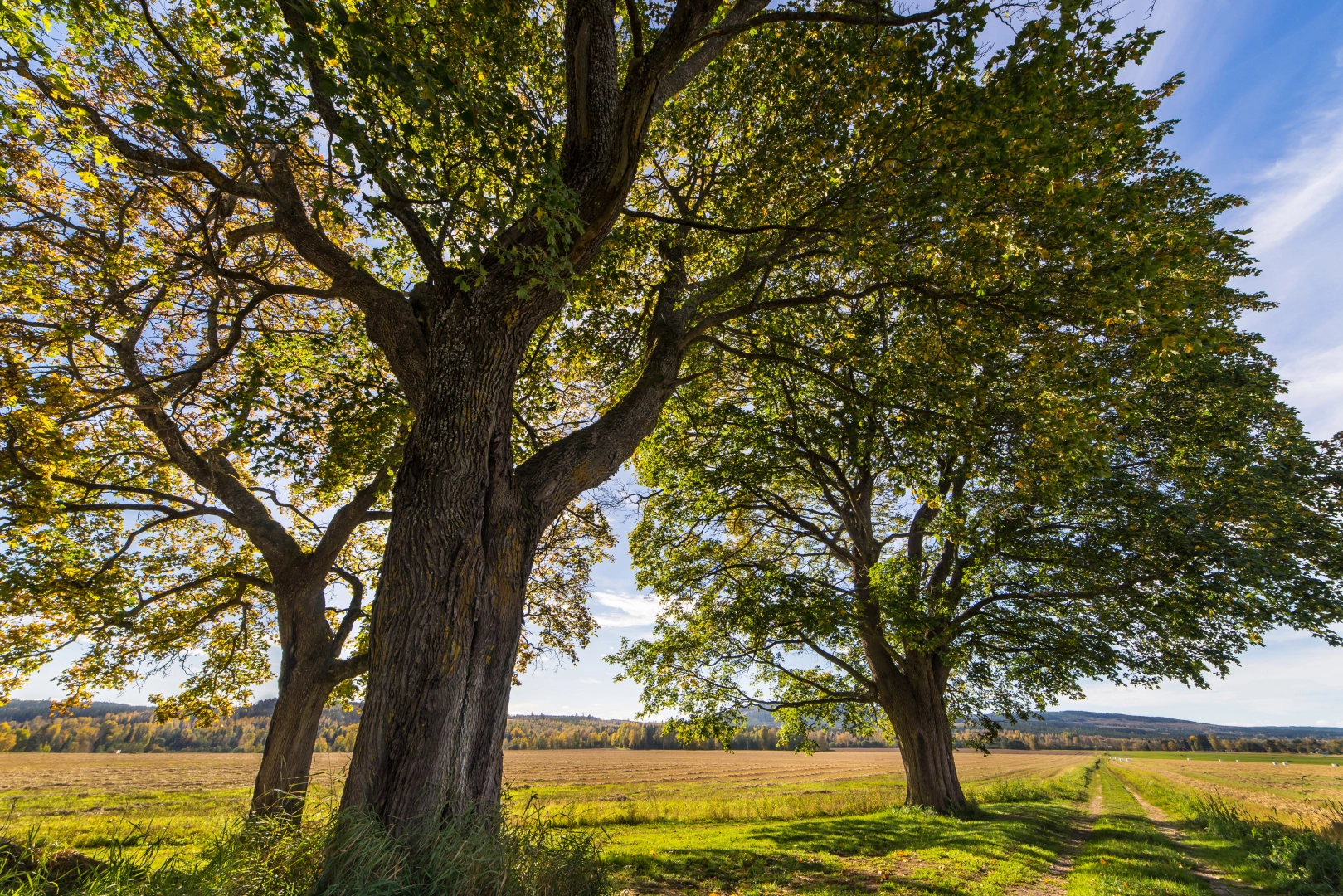
A tree that has outgrown its space can become unbalanced, and heavy growth on one side, long limbs, and a dense crown can increase the risk of branches snapping during storms or high winds. Large trees can also drop more dead wood, leaves, and sap, which can create extra mess and make your paths slippery. A tree surgeon can assess the tree’s shape, health, and stability, and then recommend the right work to reduce its size without harming the tree.
Tree pruning isn't just about cutting branches. If a tree is pruned in the wrong way, it can cause weak regrowth, decay, and stress. Some common mistakes include removing too much at once, leaving open wounds in the tree, or cutting near weak points. These issues can shorten the tree’s lifespan and make it more likely to collapse. A tree surgeon knows how to thin, lift, or reduce the crown in a controlled way that keeps the tree safe and healthy, and improves your light levels.
Green Tips provides safe, professional tree surgeon services for homes and businesses across the UK. We can provide tree pruning, crown reduction, dead wood removal, stump grinding, and full tree removal services whenever you need them.