What Is A Woodland Management Plan
A woodland management plan is a written guide that focuses on how a woodland will be cared for over time. This plan usually includes the appropriate aims and actions for the next 10 years, as well as what work needs to happen, when it should happen, and how it will help keep your woodland healthy and safe for people and wildlife.
A woodland management plan normally includes:
- A map and key details of the woodland, such as its size, entrances, and different areas.
- A short description of what is there now, including the main tree types and their age.
- Clear aims for any wood products as well as nature, learning, or recreation projects.
- A work programme (for thinning, planting, keeping paths clear, and dealing with pests and disease).
- Steps to protect the soil, water, wildlife, and any historic features.
The main rules this guide needs to follow are from the UK Forestry Standard. This is the general standard for sustainable woodland and forest management in the UK, and these regulations apply to all woodland operations, no matter who owns the land.
If your management plan includes tree felling, it also needs to fit the felling licence rules. These rules are mainly controlled by the Forestry Act 1967 and the felling licence system. Some projects also need an Environmental Impact Assessment before any work starts, especially if you are creating new woodland, removing woodland, or building forest roads.
Why A Woodland Management Plan Matters
A woodland management plan matters because it turns good intentions into clear actions. Without a clear plan, forestry work only tends to happen once there's a problem, such as storm damage, unsafe trees, or too many fallen branches. A management plan can help you stay ahead of these issues, and it also helps you set goals for your woodland and how you can reach them over the next 10 years or more.
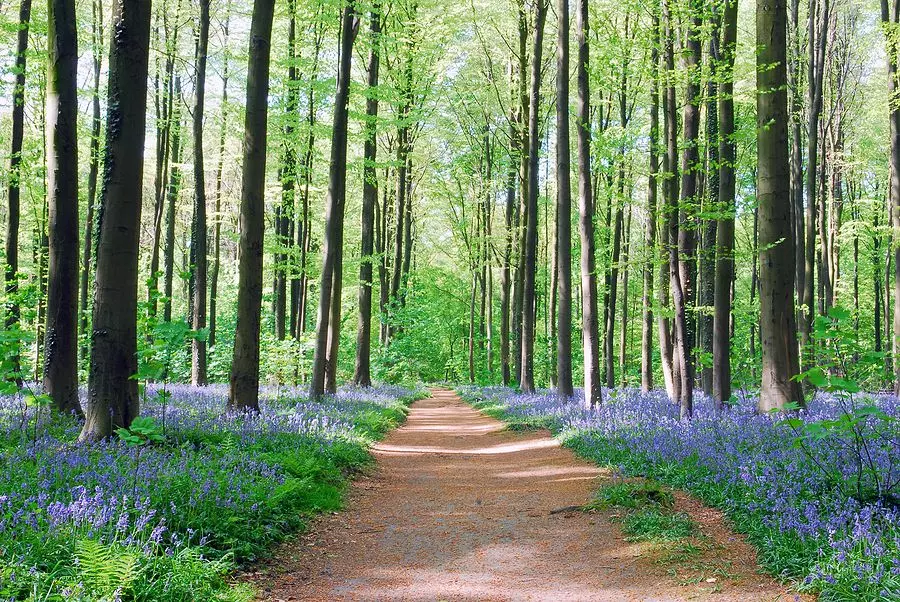
A woodland's health can drastically improve when it's managed in a steady, careful way. A management plan usually includes regular tree and ground checks, which makes it easier to spot signs of disease, pests, or poor growth early on. The plan also sets out thinning and pruning routines, since removing weak or crowded trees can let stronger trees receive more light, space, and water.
Additionally, a woodland management plan can include planting schedules for natural regeneration as well as protection guides for young trees. This guide can also include steps on how to control browsing animals, such as deer, since they can strip bark and eat new tree shoots. By prioritising natural regrowth cycles and protecting young trees, your woodland will contain a healthy mix of trees of all ages.
What A Woodland Management Plan Usually Includes
A woodland management plan usually includes several key parts that each have a clear purpose. The first section is to record the woodland’s location, size, boundaries, access points, tracks, and nearby roads or footpaths, and map it out. These maps matter because they help you plan out your work safely and show areas that need different care. This map can also help contractors work in the right places and avoid making mistakes.
The second part involves creating a description of what is currently there, including the main tree species, their ages, how closely they are growing, and the condition of the ground. Any steep slopes, wet areas, streams or damaged or unsafe trees will also be noted down within this plan.
A woodland plan will also include a section on your aims and priorities, including what you want the woodland to be used for (e.g. wildlife, timber, recreation, education, or a mix of uses). A work programme and timetable will also be included. This timetable will list the work your woodland needs year by year, such as thinning, coppicing, pruning, planting, ride and path cutting, as well as fence repairs.
The regeneration and planting segment of a management plan will explain how your woodland will renew itself, either through natural regeneration or planting. This section can also include protection plans for young trees, wildlife, soil and water sources. These plans often include how to leave buffer strips near water, how to reduce ground damage from machinery, and how to time your work to reduce disturbances.
Who Needs A Woodland Management Plan
A woodland management plan is useful for almost anyone who owns, manages, or makes decisions about woodland in the UK. Woodland owners and private landowners alike often need a management plan because it helps them protect their investment and make good decisions. A woodland management plan sets out what work is needed and when it needs to be done, so that the woodland doesn't become overgrown, unstable, or diseased.
Farmers with woodland on their land can also use a management plan to link their woodland care with their wider land use. For example, farmers may want shelter belts for livestock, better water management, or a sustainable supply of timber or firewood. A woodland management plan can keep these aims realistic and organised, and it can reduce conflicts between farming work and woodland work.
Many people also need a woodland management plan for funding and felling permission. An approved management plan can support your felling permission and demonstrate how you will restock or allow the woodland to regrow. Additionally, if you want a woodland grant, you will also need a management plan since it proves that your work has been thought through, and it proves you will handle the woodland in a responsible way.
Green Tips provides woodland management services to help keep your woodland areas safe, healthy and well-cared for. We can plan and carry out work like thinning, pruning, planting, and path clearance, so that your woodland stays strong and enjoyable for years.