Deadwood: What It Looks Like and Why It Is a Risk
Deadwood is a part of a tree that has died but is still attached. It can be a small twig, a large branch, or even a whole section of the crown. Deadwood occurs for many reasons, such as droughts, storm damage, pests, diseases, old age, root problems, or poor growing conditions. Some trees naturally shed older branches as they grow, but heavy deadwood can be a warning sign that the tree is under stress.
Deadwood often looks different from the rest of the tree. You may notice that some branches have no leaves when the rest of the tree is full, and smaller twigs can look brittle, thin, and dry, and they may snap easily when they're touched. Larger dead branches can have peeling bark, cracks, or a grey, faded colour compared to the rest of the living wood. You might also see fungus, small holes, or loose bark, which can suggest that there's decay or insect activity. Another clue is a lack of buds on the tips of the branches, and in some cases, the branch may still have a few leaves, but they will be small, pale, or appear much later than normal.
Unlike healthy limbs, dead branches don't bend and recover in the wind. Instead, they become dry and weak, and their connection to the trunk can fail at any moment.
Fungi and Mushrooms at the Base of the Tree
Fungal growth and mushrooms growing at the base of a tree can be a warning sign that the tree is becoming unsafe. Fungi feed on dead or decaying wood, and when they appear around the trunk flare or on the ground near the roots, it can mean the tree has internal rot in the roots or lower trunk. This is serious because the roots are the tree’s anchor, so if they become weak, the tree can lose its stability and begin to lean, crack, or fall.
A tree can look healthy above ground while the base slowly rots away. Leaves can still appear each spring, and the crown may look full, but the support structure underneath can be failing. This is why fungi growing at the base should be taken seriously. Root rot can reduce the strength of the tree without creating obvious warning signs, and over time, the tree may become more likely to uproot, or the trunk may snap at the base. This can cause major damage to nearby homes, sheds, fences, cars, and garden walls, and it can also put people and pets at risk.
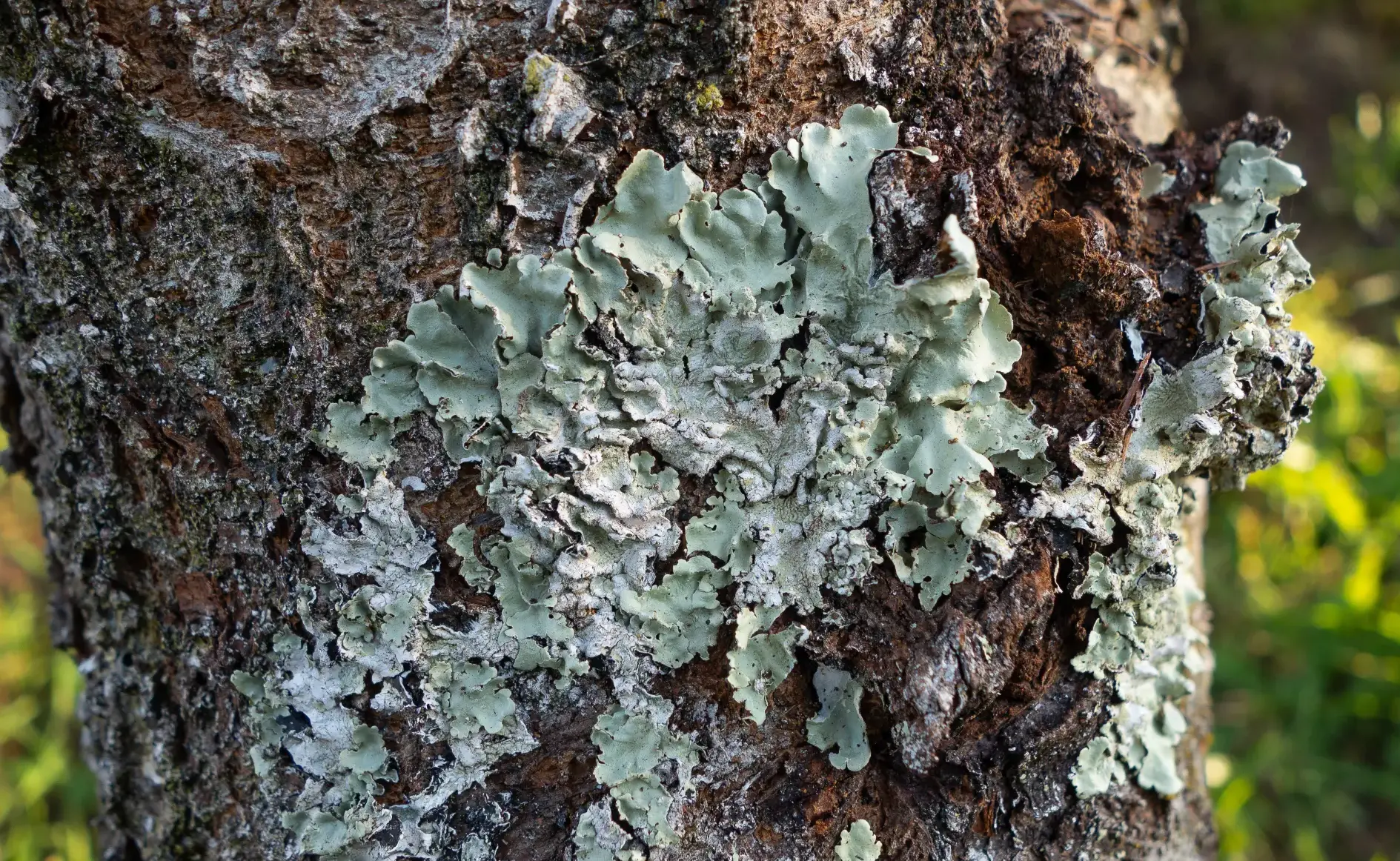
Fungi can appear in several ways. You might see mushrooms popping up in clusters on the soil around the tree's base, especially in damp autumn weather, or you might notice “bracket” fungi attached to the lower trunk, which look like hard shelves or rounded plates growing from the bark. Some fungi are smooth, while others are ridged or cracked, and their colour can vary from white and cream to yellow, orange, brown, or black.
Other signs of fungi growth are soft, crumbly bark near the base, cracks in the trunk, oozing fluid, or hollow-sounding wood. A strong musty smell, or patches of white, cotton-like growth on the bark or exposed wood, can also be a sign of rot or decay. So if you see any of these, it's important to get the tree checked out before it becomes a danger.
Rot and Decay: Hidden Damage to Look Out For
Rot and decay are strong warning signs that a tree is dangerous. Wet weather, poor drainage, and storm damage can allow decay to spread inside a trunk or through the roots. Rot occurs when the wood breaks down after a fungus has entered the tree through a wound, a cracked branch, damaged bark, or weak roots.
This is dangerous because a tree relies on strong, solid wood to support its weight and resist wind. When the inner wood becomes soft or hollow, the trunk may not be able to cope with storms or heavy growth, and the decayed tree will be more likely to crack, split, or snap without any warning. If the decay reaches the roots or the lower trunk, the whole tree can become unstable, and it may lean or topple over. These collapses can be sudden because the rotten wood can give way under its own weight.
Rot and decay can show up in several ways. One clear sign of rot is fungus growing on the trunk or at the base, including bracket-shaped growths or clusters of mushrooms. You may also notice areas of the tree where the bark looks sunken, cracked, or loose, with softer wood underneath. Cavities and hollow sections are another clue, especially if the opening is growing over time.
Storm Damage: What to Check After High Winds
Storm damage is a clear sign that a tree may be dangerous, even if it's still standing. High winds and heavy rain can twist, crack, and weaken a tree in ways that aren't always obvious straight away. A tree might look fine from a distance, but there may be hidden damage underneath. This is why storm-damaged trees should be treated as a safety risk until they have been properly checked.
Strong winds put pressure on the tree's crown and trunk, and if any branches break, the tree can become unbalanced. This lack of stability can lead to more branches breaking or cause the tree to collapse during another storm. Wind can also split the main limbs where they join the trunk, and if the trunk has cracked or the bark has torn, it can allow decay to set in. Over time, rot can also weaken the wood and increase the risk of the tree collapsing.
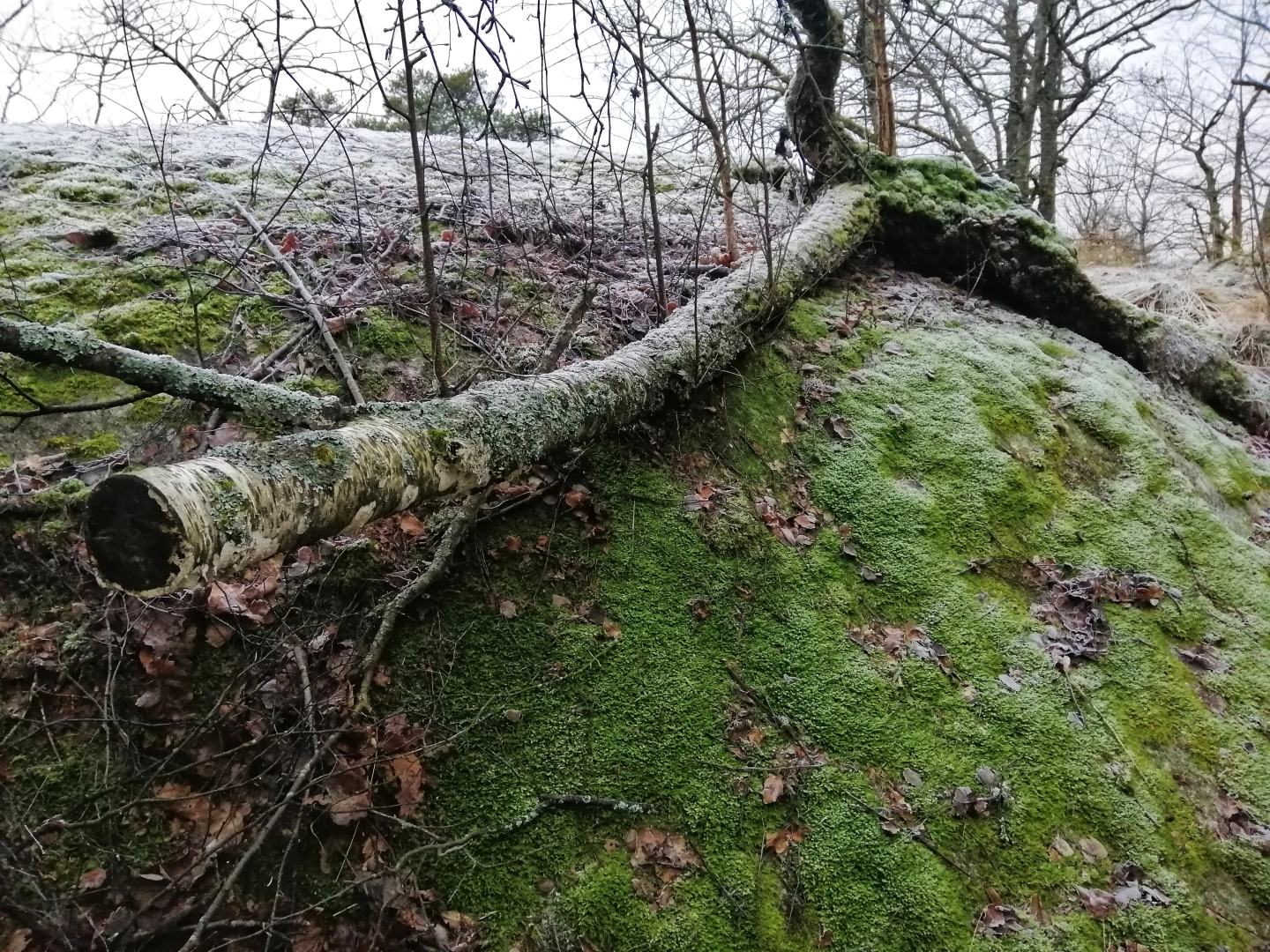
The biggest danger of storm damage is damage to the roots. A tree’s roots hold it in place, and storms can loosen them, especially in waterlogged ground. If the root plate has moved, the tree may look fine, but it may actually be close to tipping over. Root damage is also hard to repair, so a tree surgeon may need to reduce the crown to lower the wind strain or remove the tree if it cannot be managed.
After a storm or high winds, you should check for lifted soil, cracks in the ground, or exposed roots, as these show that the tree has shifted. Look up into the crown for hanging branches, snapped limbs, and split forks where any large branches meet.
You should also inspect the trunk for fresh cracks, long splits, or areas where the bark has peeled away. Check whether the tree is leaning more than before, especially if the lean is sudden. Also look for branches resting on roofs, gutters, fences, or cables.
Green Tips provides safe, professional tree surgeon services for homes and businesses across the UK. We can provide tree pruning, crown reduction, dead wood removal, stump grinding, and full tree removal services whenever you need them.